The houses and the ground
Fast-built subdivisions on the benchmark blackland clay
A railroad farm town that grew more than tenfold in twenty years, almost all of it on slabs.
The town began as a post office called Grassdale in 1859, with James Manor as postmaster, and took his name in 1872. The Houston and Texas Central built through in 1871, and for a century the town shipped cotton and grain. It counted 1,204 people in 2000 and 13,652 in 2020.
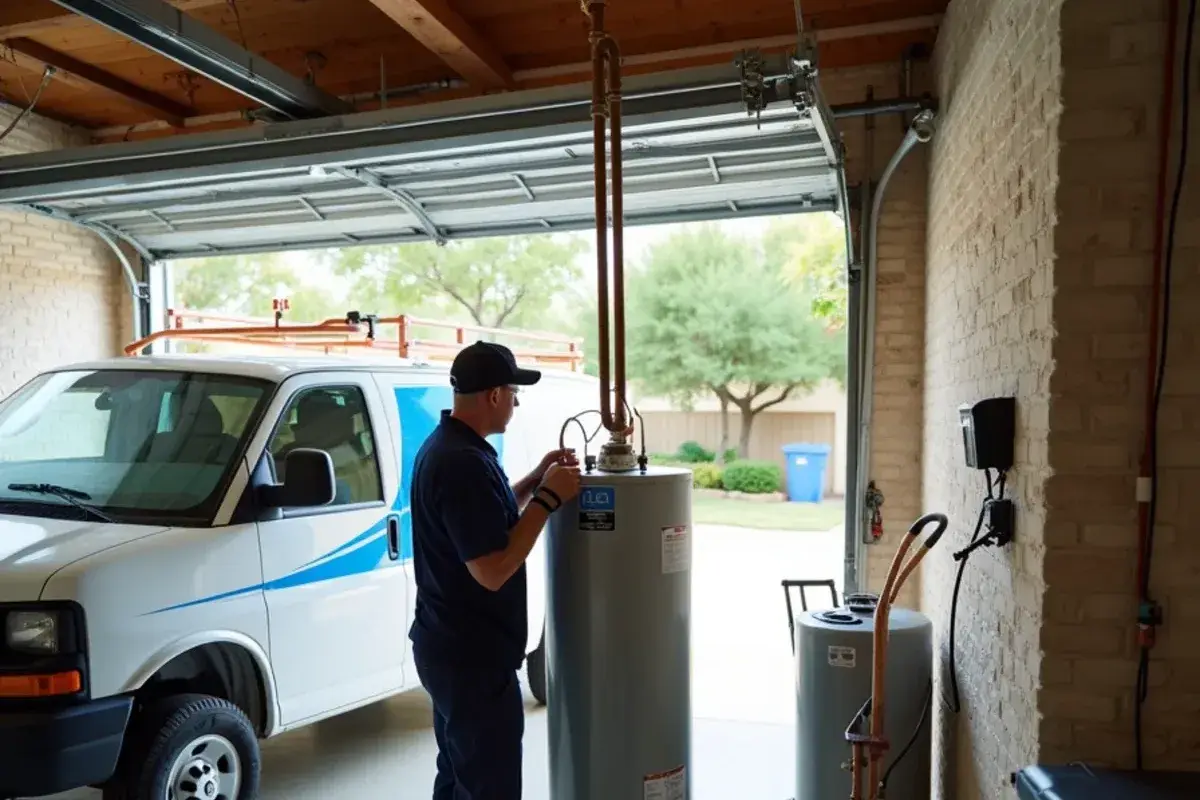
Most of that growth is in ShadowGlen, Presidential Glen and the subdivisions around them, built quickly on slab foundations. Builder-grade plumbing from those years is reaching its first replacement point: tank heaters at 10 to 15 years, fill valves, faucet cartridges and the braided supplies under sinks.
The soil is the other half of the story. USDA’s official reference site for Houston Black clay is a pasture a few miles east of town, off US 290. It is the benchmark shrink-swell soil, cracking open in dry spells and swelling back when wet, and slabs and buried pipe move with it.
That movement shows up as cracked drain joints under the slab, leaks at supply fittings and doors that stick in August. New homes are not exempt, because the first dry summers after construction are often when a slab settles most.
Local knowledge
Gilbert Lane wells, four water sources and a new permit portal
Where the tap water comes from, how hard it is and how permits work now.
Homes on the City of Manor system get a blend. The city pumps groundwater from three wells on Gilbert Lane in the Colorado Alluvium Aquifer, and it buys more from Manville WSC, 130 Regional WSC and Austin.
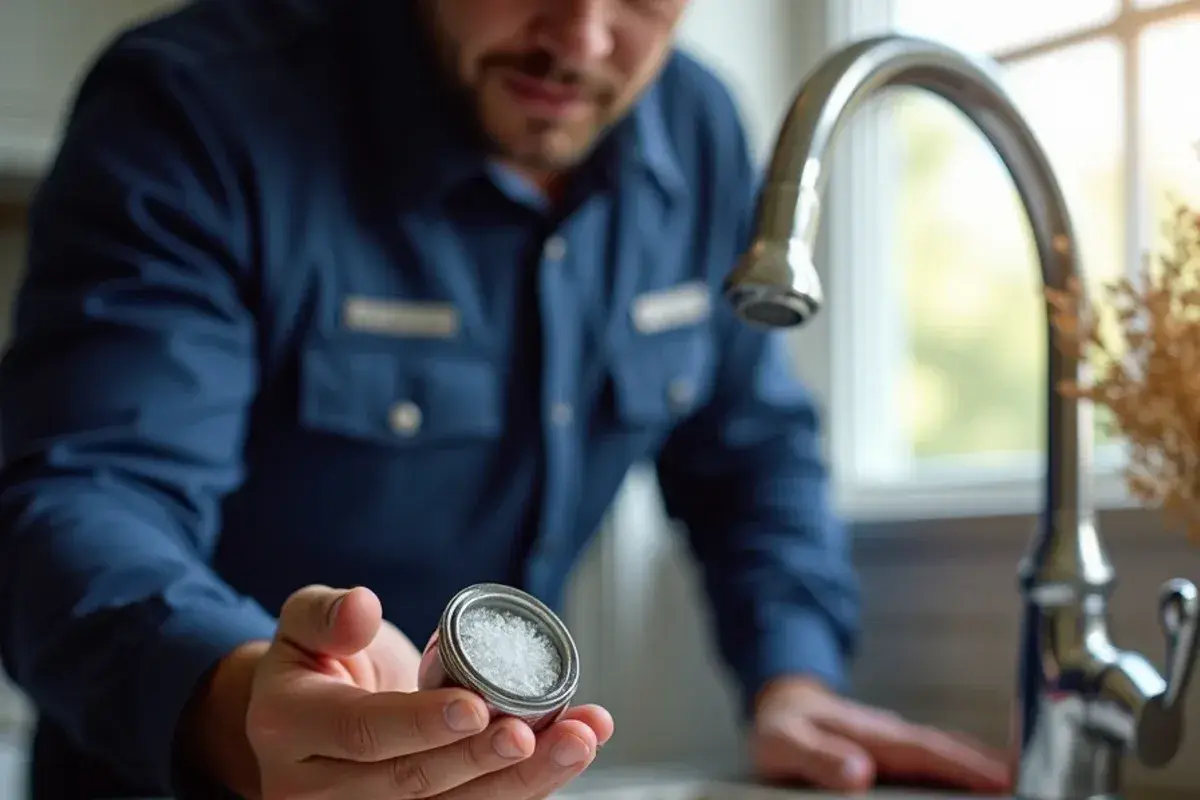
The city’s 2025 water quality report lists total hardness at 297 parts per million, about 17 grains per gallon. That is hard water, and it scales tank heaters, tankless heat exchangers and faucet aerators faster than many new owners expect. The SH 130 segment that ends at US 290 near town opened in November 2006, and the rooftops followed.
Permits moved to the GovWell online system on May 27, 2026, with a kiosk in the Public Works lobby on Gregg Street. The city also warns that grease poured down drains hardens into the clogs behind many sewer backups. Typical calls here are slab leaks, water heater swaps and kitchen drain clogs.