The houses and the rock
Buttercup Creek-era houses, polybutylene and Edwards limestone
A ranch-land crossroads that became a commuter city in about two decades.
This was ranch land on Cluck Creek until Austin's growth reached it. The city incorporated in February 1973, passed 3,000 residents by 1980 and reached 26,049 by 2000. Buttercup Creek began as a subdivision of starter homes in the early 1980s, and similar neighborhoods kept filling in through the 1990s.
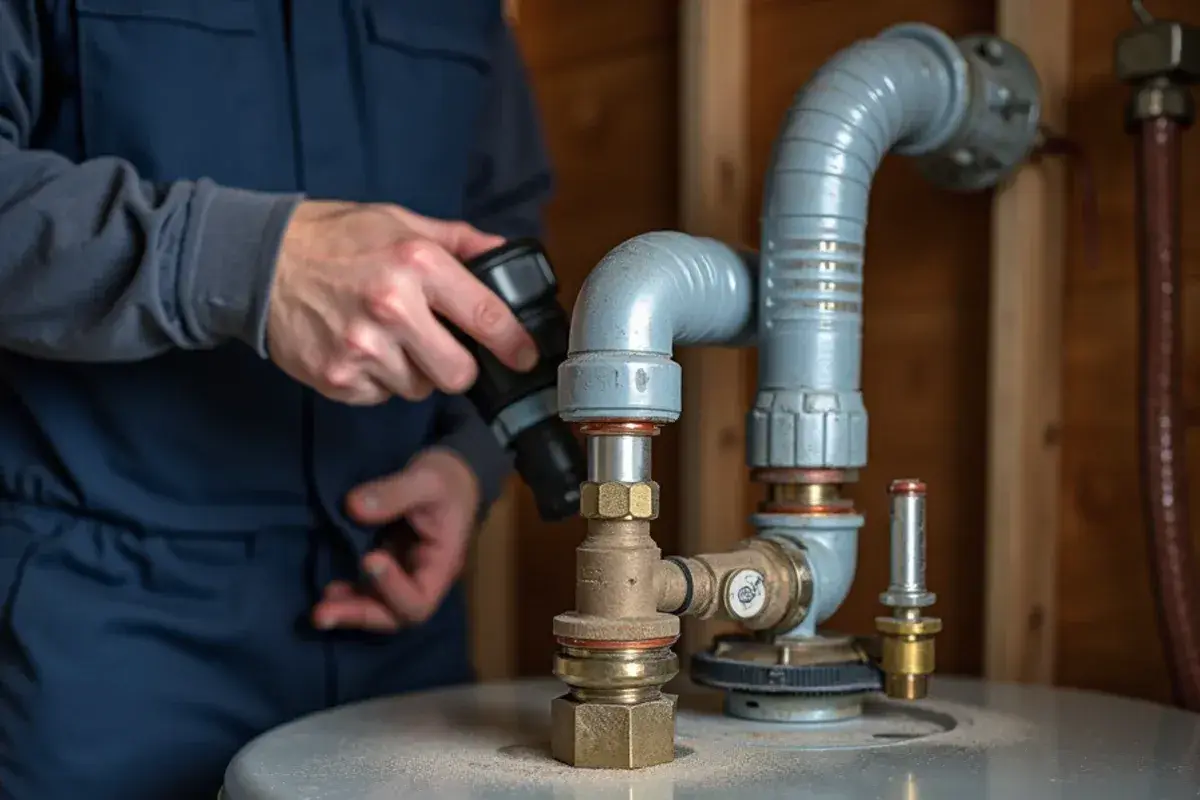
Those decades sit inside the 1978–1995 window when polybutylene supply pipe went into homes. It is usually gray, often stamped PB2110, and it tends to fail at the fittings or from the inside without warning. Not every house has it, so the first check is the line leaving the water heater.
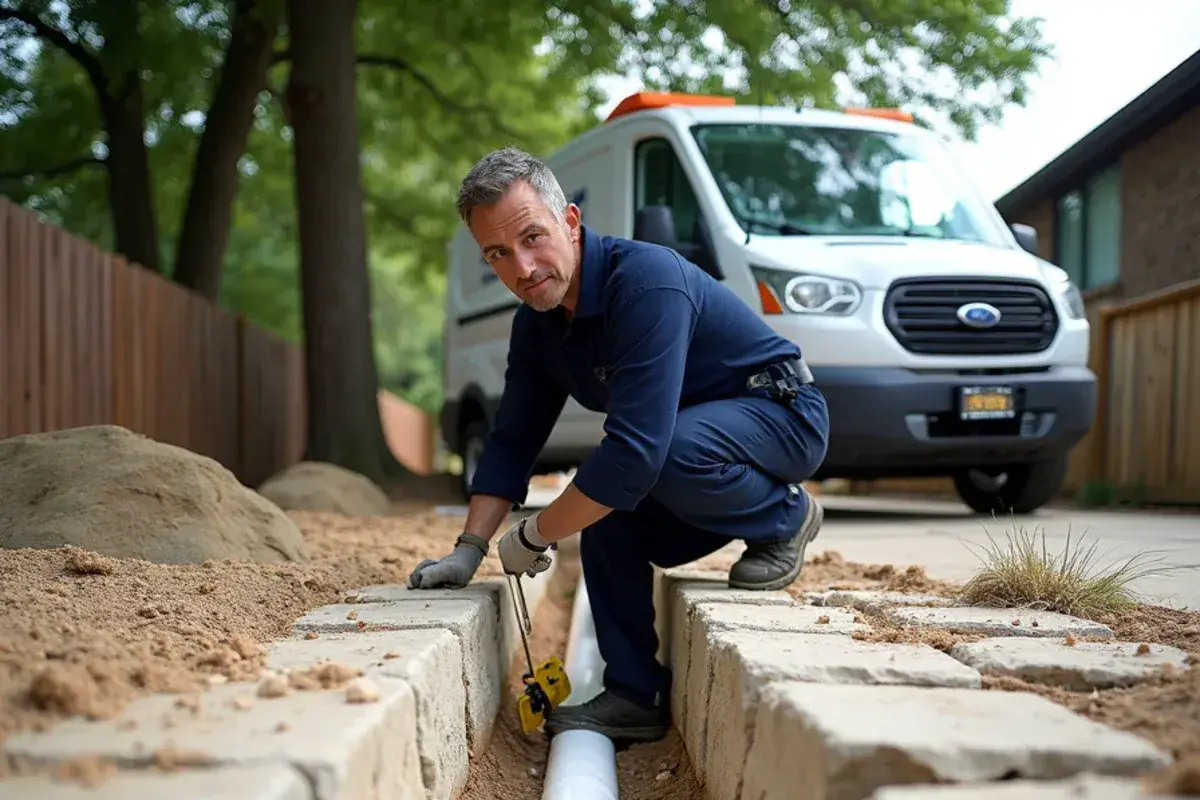
The ground is Edwards limestone. The town quarried building stone from the 1890s until about 1970, and the same rock sits close to the surface on many lots. Sewer and yard lines run through cut rock trenches, so a settled joint or an intruding root has little room to give.
Water comes from Lake Travis, treated at the city's own plant and through the Brushy Creek Regional Utility Authority that Cedar Park shares with Round Rock and Leander. A deep-water intake for that system is under construction to keep supply steady through drought.
Local knowledge
Permits, private service lines and the US 183 corridor
The rules and the routes that shape a plumbing job in this city.
The city sits on US 183 northwest of Austin, with the 183A toll road running alongside. The H-E-B Center and the retail strip along 183A bring steady commercial work: restrooms, water heaters and grease-heavy kitchen drains. Coming from Georgetown, expect work zones on RM 2243, which is being rebuilt east of 183A.
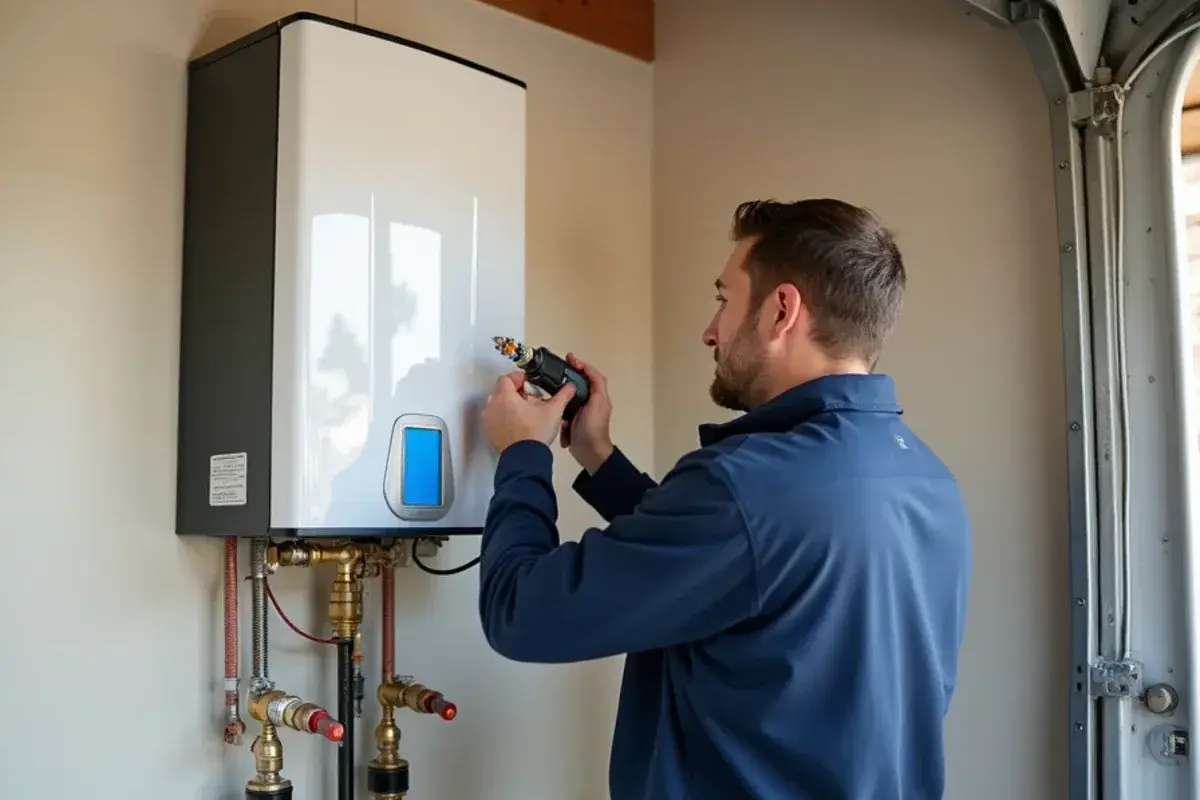
Cedar Park's fee schedule lists water heater installs and changeouts among its plumbing permits, and inspections are booked through the MGO Connect portal. After the February 2021 storm, the city council voted to waive the plumbing permit fee for 30 days and raised leak credits on water bills.
Ownership is simple. The city treats water and wastewater lines on private property as privately owned, so once water passes the meter, the line is the owner's to repair. Our usual calls are polybutylene repipes, slab leaks, water heater swaps and kitchen drains clogged in rock-bedded lines.