Fast growth on hard ground
183A-corridor homes on shallow limestone
Most of the houses are young. The rock under them makes every buried repair slower.
The Handbook of Texas dates the town to 1882, when the Austin and Northwestern Railroad bypassed Bagdad and its merchants moved to the tracks. It did not incorporate until 1978. The real growth came later: 7,596 people in 2000, 26,521 in 2010 and 59,202 in 2020.
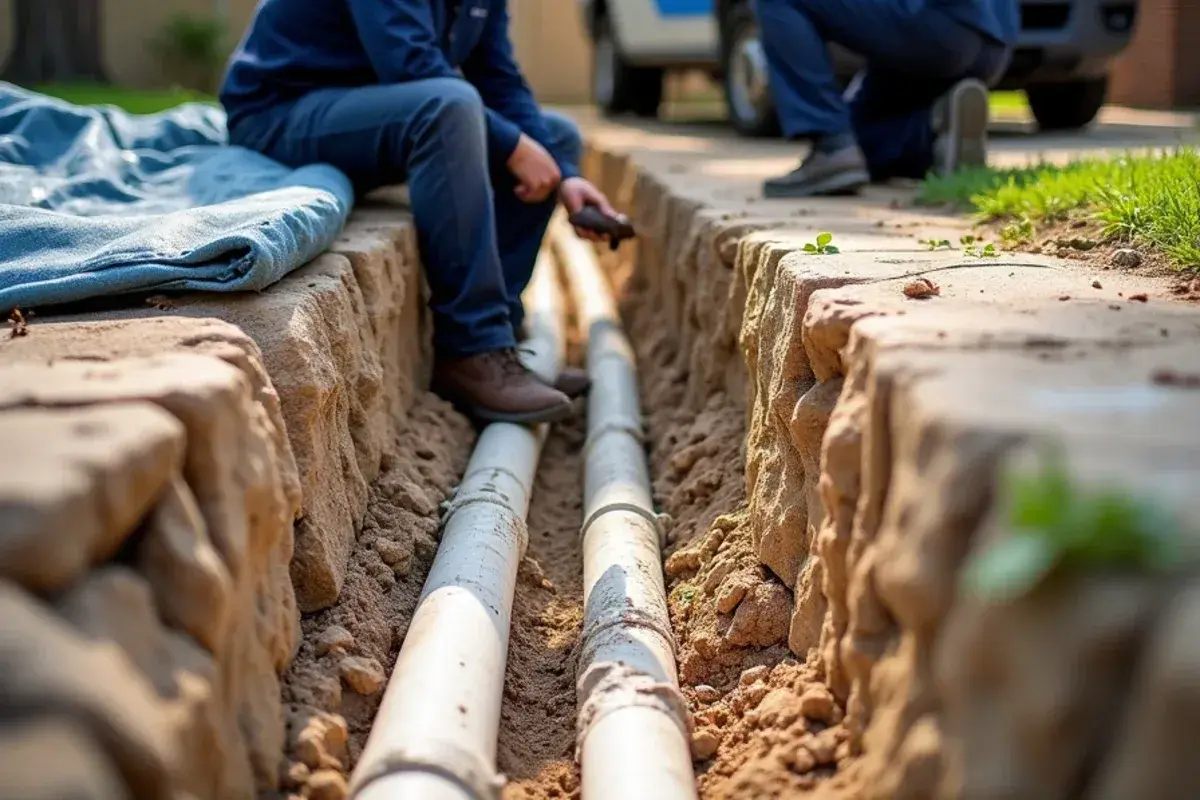
That growth landed west of the Balcones line, where limestone sits close to the surface. Builders cut through the rock once to set the sewer and water lines. Any later repair to those lines means cutting through it again, which is why digs here take longer than they do on clay.
Homes built since 2000 in Crystal Falls, Travisso and the newer 183A subdivisions typically have PEX supply lines and a tank heater in the garage or attic. On the hillier lots, street pressure can run high, so pressure-reducing valves and expansion tanks matter more than they would on flat ground.
Old Town, around the original 1882 townsite, holds the older houses. There, galvanized or early copper supply lines are the likelier problem, and a repipe is often the lasting fix. Rust and mineral buildup inside old galvanized pipe also explains weak pressure at a single bathroom.
Local knowledge
Lake Travis water, the Red Line and RM 2243
Where the water comes from, and how the roads in and out are changing.
City water is Lake Travis water, managed by the LCRA. It is treated at the city’s own plant and at the regional BCRUA plant shared with Cedar Park and Round Rock. In early 2024 a 1,400-foot pipeline under the lake had to be replaced, and residents lived under emergency watering limits until it was done.
The town is literally the end of the line: its station is the northern terminus of CapMetro’s Red Line. The 183A toll road now continues past it to SH 29 in Liberty Hill, and RM 2243 toward Georgetown has been under reconstruction since January 2026. Expect a little extra time on that road while the work runs.
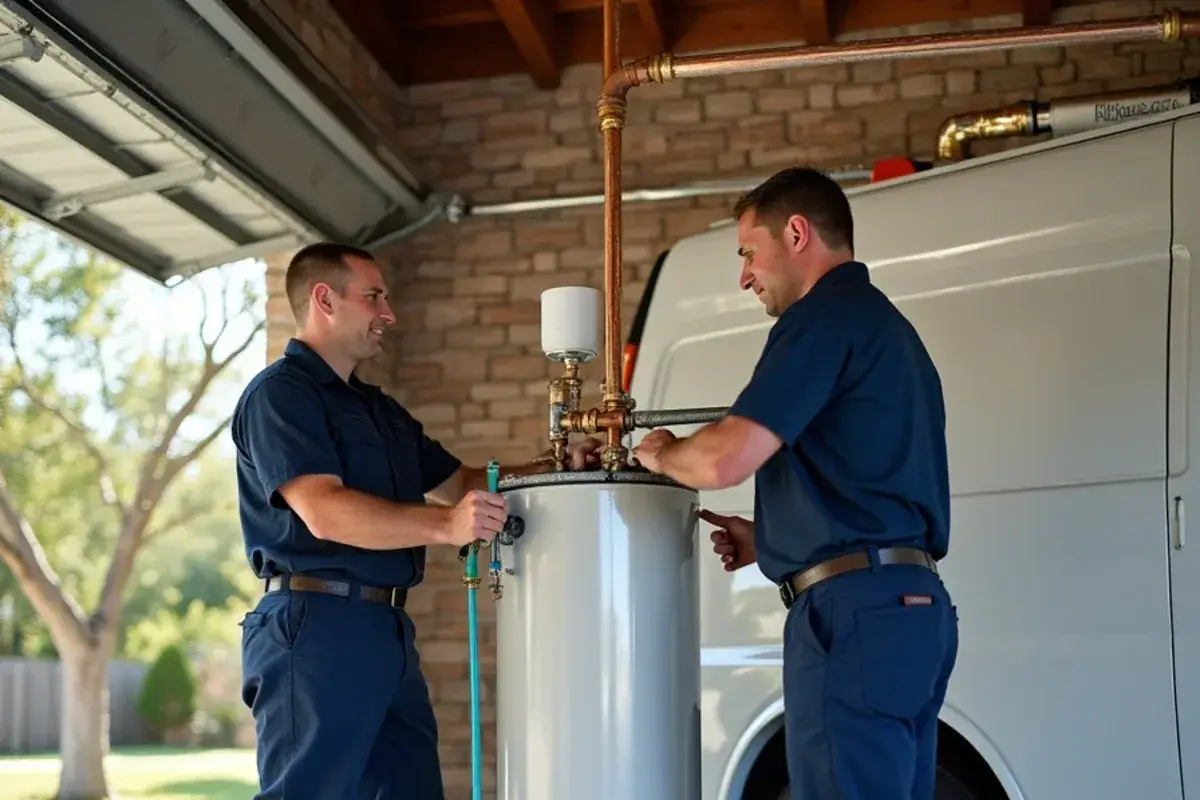
Typical calls here are water heater swaps with their permit and expansion tank, and softener installs. Slab or yard-line leaks come next, along with sewer lateral repairs that turn into rock work.