The houses and the hill
Resort lots from the 1960s, stacked up a limestone slope
A weekend lake resort that grew into a city of year-round hillside homes.
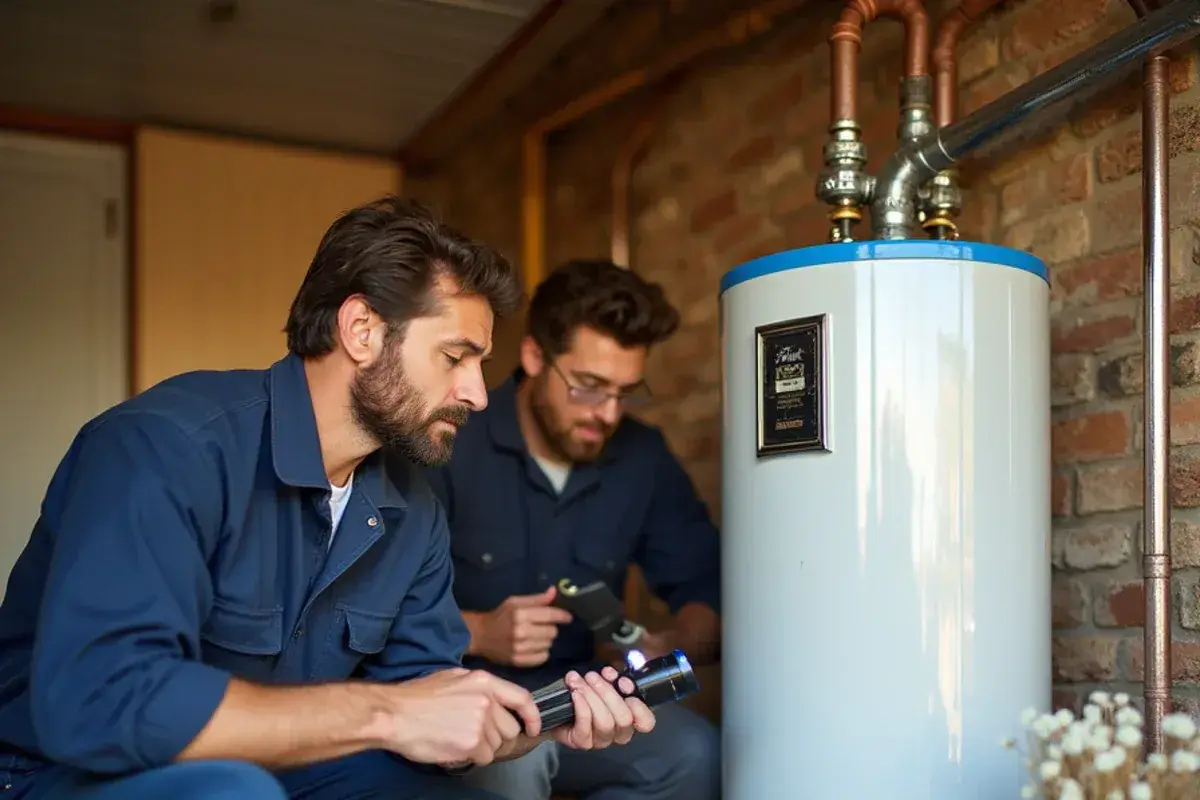
This stretch of the north shore was developed in the 1960s as a lake resort of summer homes and campsites. Residents voted to incorporate in the early 1980s. Weekend cabins became year-round houses, and the 2020 census counted 8,896 people. Homes built between 1978 and 1995 fall inside the polybutylene window.
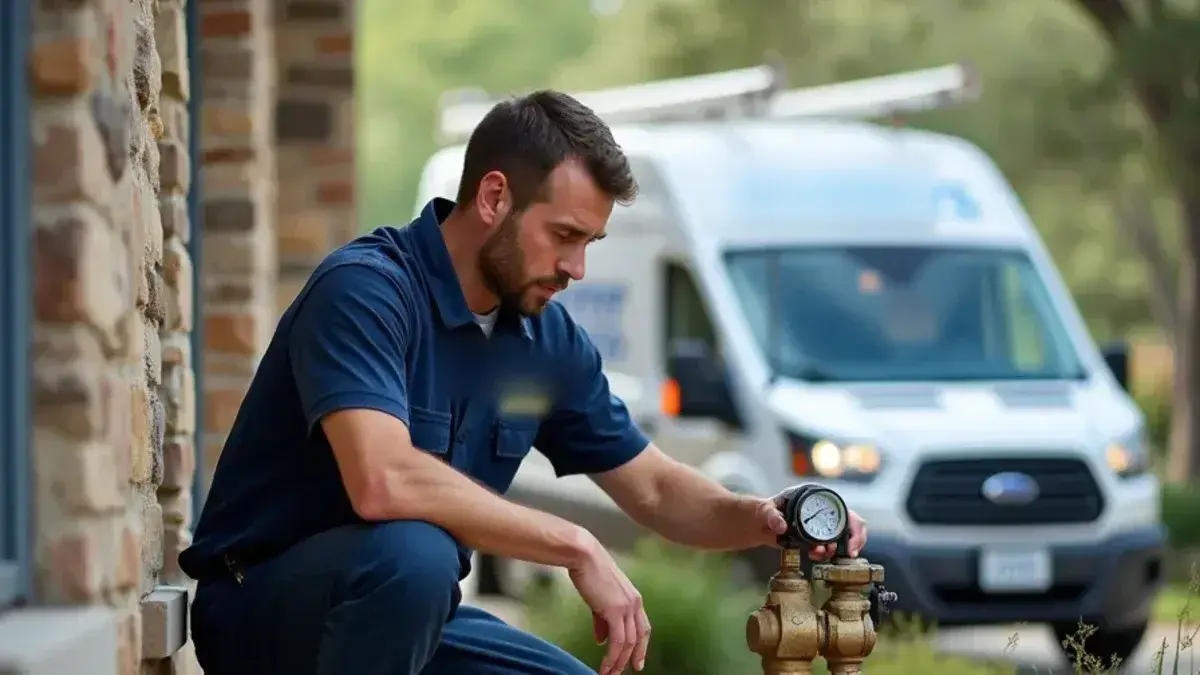
The ground is steep limestone. Lake Travis is considered full at 681 feet above sea level, while Rusty Allen Airport on the north edge of town sits at about 1,230 feet. A water system has to push hard to reach the hilltops, so houses low on the slope can see high static pressure at the meter.
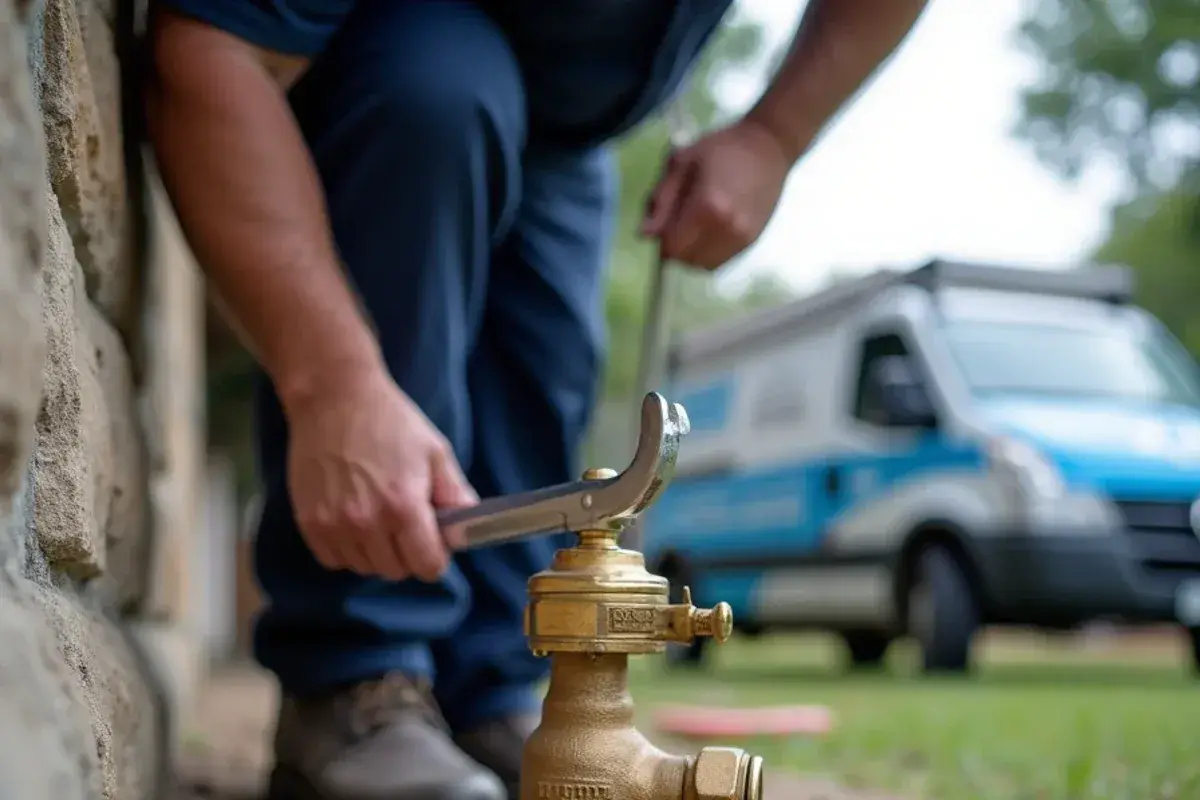
Taming that pressure is the job of the pressure-reducing valve, a bell-topped brass body near where the service line enters the house. Its spring and seat wear with time. A tired valve either lets pressure creep up until hoses and relief valves start weeping, or it sticks partly shut and starves every faucet at once.
The city runs its own water and sewer utility. In late November 2025, Water Treatment Plant 3 went offline after damage to an 18-inch line, and a precautionary boil-water notice followed in early December. Refilled mains push air and loosened sediment toward aerators, softener valves and tankless inlet screens.
Local knowledge
RM 1431, the city airport and the low-pressure Q&A
Roads, city services and the calls we take most on this side of the lake.
RM 1431 is the way in, following the north shore west from Cedar Park through Jonestown. Rusty Allen Airport, owned by the city, runs a 3,808-foot runway on the high ground about two miles northeast of downtown. The Lago Vista ISD campuses serve almost all of the city.
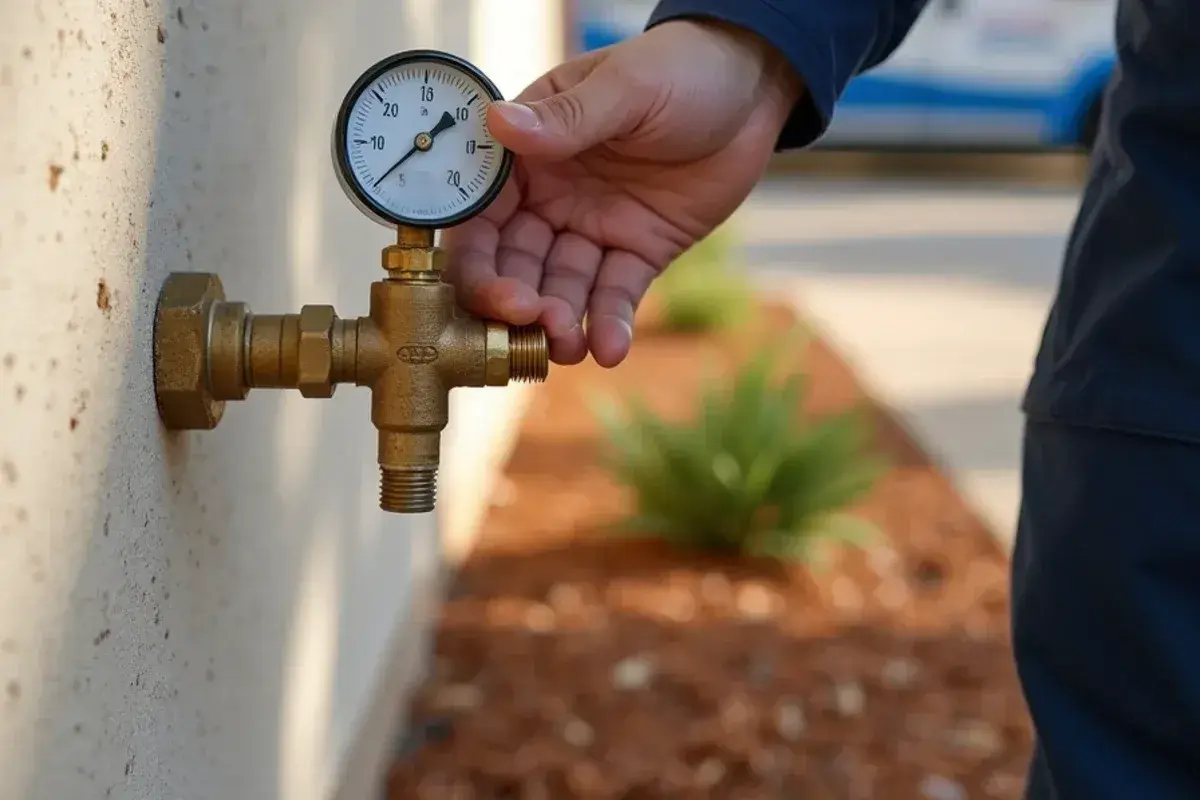
In September 2026 the Public Works Department published a low-water-pressure Q&A. It says household pressure is commonly around 40 to 60 psi and suggests a gauge on the hose spigot closest to the meter. If that reading looks normal, the city points residents to private plumbing, including a worn PRV.
The calls we take here follow the hill. A PRV that has drifted high or stuck low. A water heater relief valve dripping in the garage. A yard line cracked where it leaves the meter box on rock. And the grey plastic of a resort-era supply system finally splitting behind a vanity.