Rural lots and new streets
Wells, septic and hard water off SH 29
A small town at the centre of a large, fast-growing area, with acreage and subdivisions side by side.
The Handbook of Texas places the town on SH 29, about 15 miles west of Georgetown. The city only incorporated in 1999 and counted 3,646 people in 2020. Its ETJ, the area it plans for beyond city limits, holds far more homes than that, spread across acreage and new subdivisions.
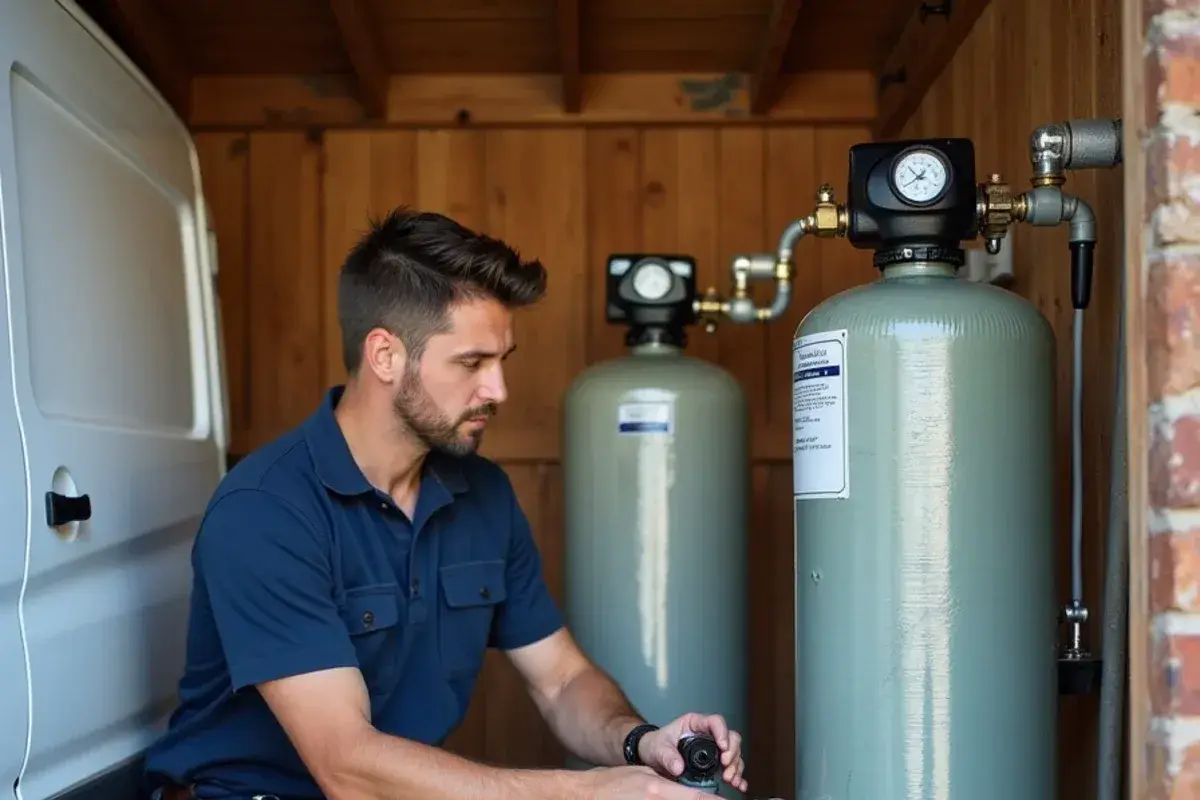
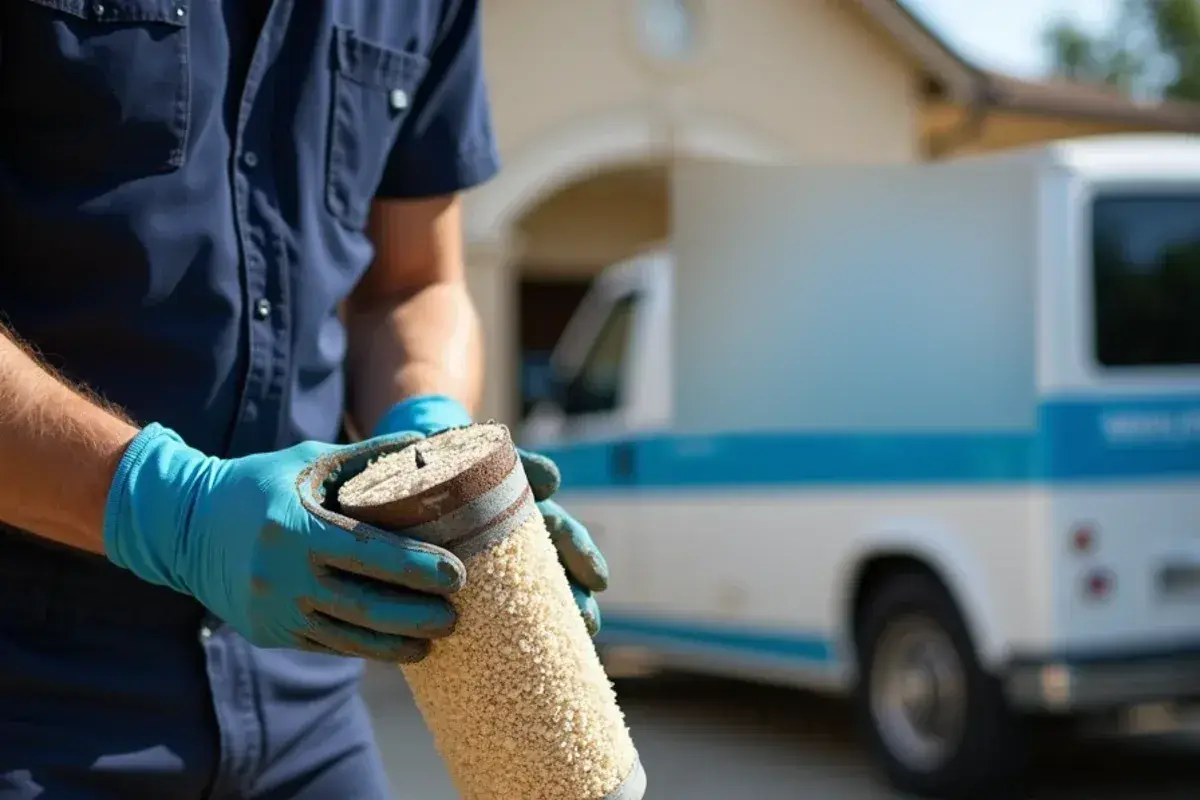
Beyond the water mains, plenty of acreage homes still pump from private wells. Wells in this part of the county draw from the Edwards or the deeper Trinity, and the Texas Water Development Board calls both hard. That hardness fills water heaters with scale, clogs fixtures and keeps softeners busy.
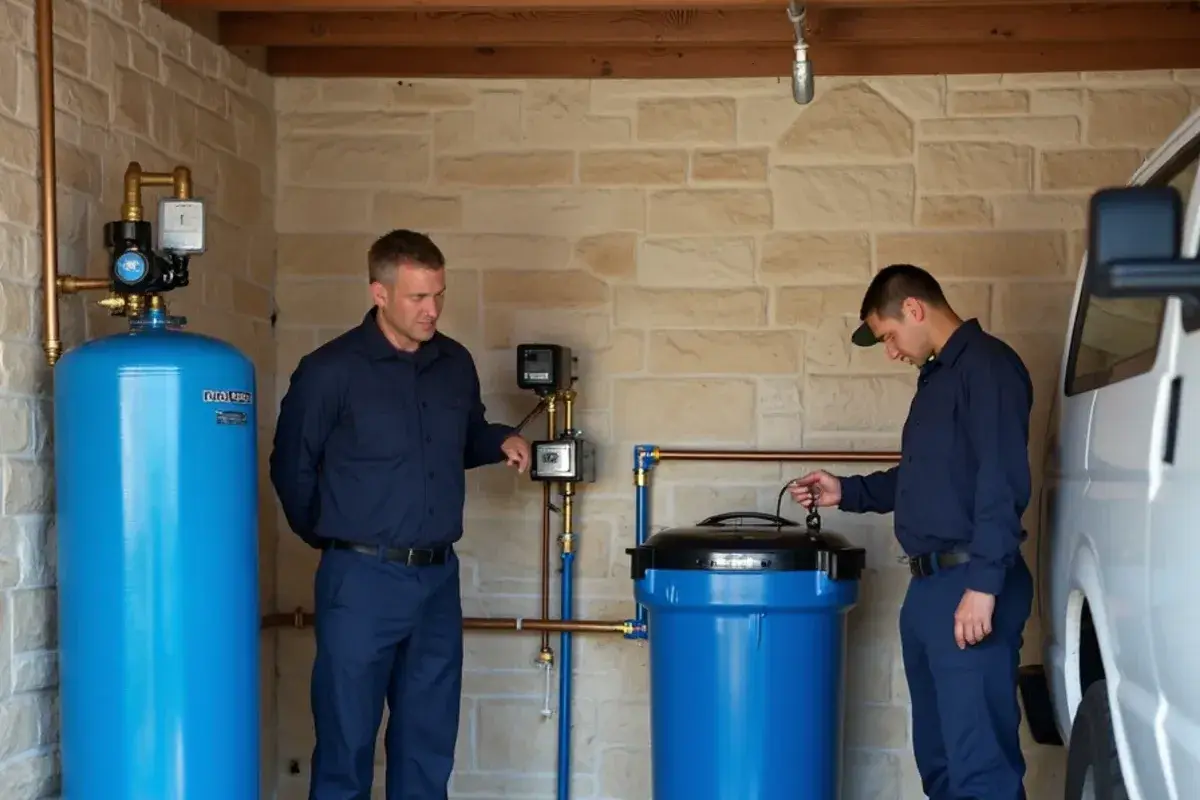
A well system has its own weak points. A waterlogged pressure tank makes the pump short-cycle, a pressure switch with burned contacts leaves the house dry, and a leaking check valve lets pressure drift overnight.
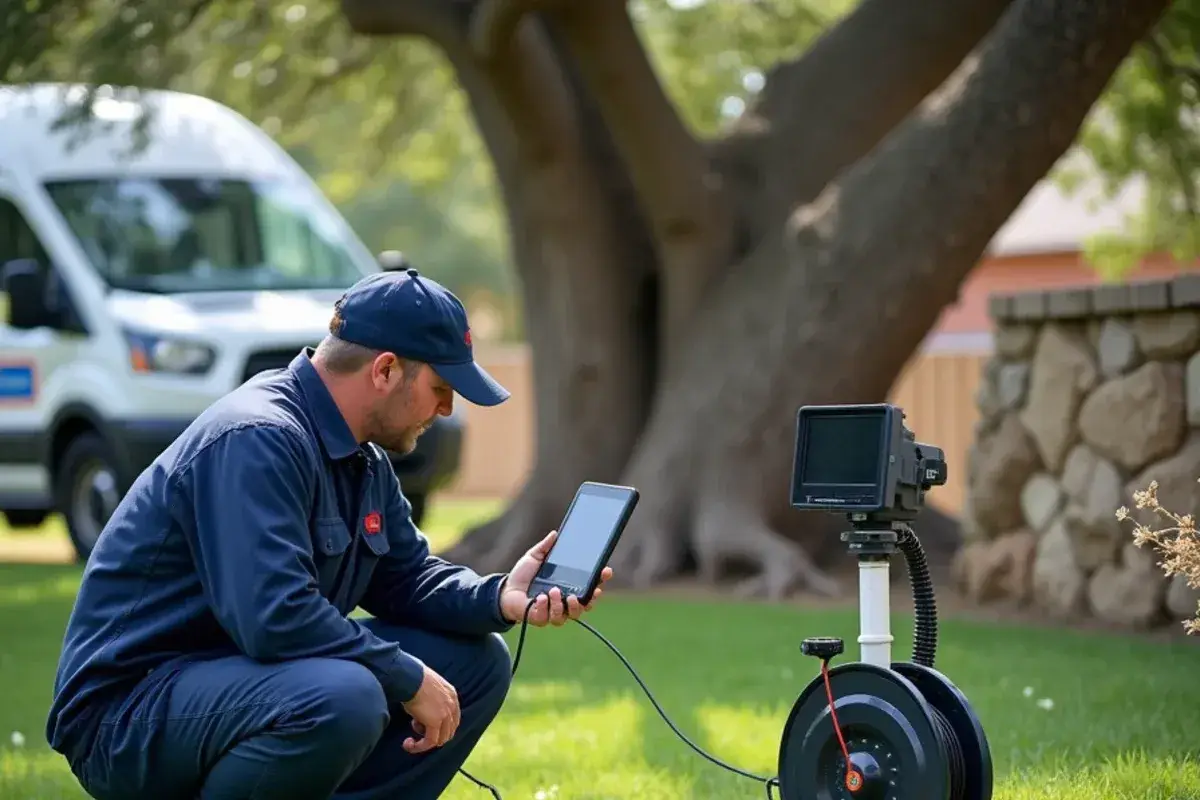
Septic is the other half of rural life here. The county permits septic systems through its OSSF program, so changes to the tank or drain field follow its rules. The plumbing side is the drain line between the house and the tank, and that is where most backups start.
Local knowledge
Between the forks of the San Gabriel River
An old crossroads town whose water map now depends on which subdivision you live in.
The town sits between the north and south forks of the San Gabriel River. Its name goes back to an 1853 post office three miles west of the present townsite, and the town moved again after the railroad bypassed it in 1882. Today the growth follows SH 29 and the 183A toll road, extended to SH 29 in April 2025.
The city says it plainly: not everyone with a Liberty Hill address uses city utilities. Inside city limits, including Liberty Parke, Butler Farms and the downtown stretch of SH 29, the city supplies water and wastewater. Santa Rita and several other subdivisions get Georgetown water with city wastewater, and Rancho Sienna’s water comes from Leander.
So the right hardness test, the right shut-off and the right utility depend on where you live. Rural lots bring wells and septic; the subdivisions bring first water heaters and builder-grade fixtures.