Houses and water
Railroad-era frame houses and well water on the acreage
A cotton and railroad town that kept its small-town footprint.
The town dates from 1882, when the community of San Gabriel moved two miles to meet the Austin and Northwestern Railroad. It took the name of Rudolph Bertram, the line’s largest stockholder. Cotton kept it busy, and a record 11,624 bales were ginned here in 1928.
Older frame houses still stand near the old rail line, while newer homes spread across acreage along the farm roads. The census counted 1,616 people in 2020, close to double the 849 of 1990, and much of that growth sits outside the old town grid.
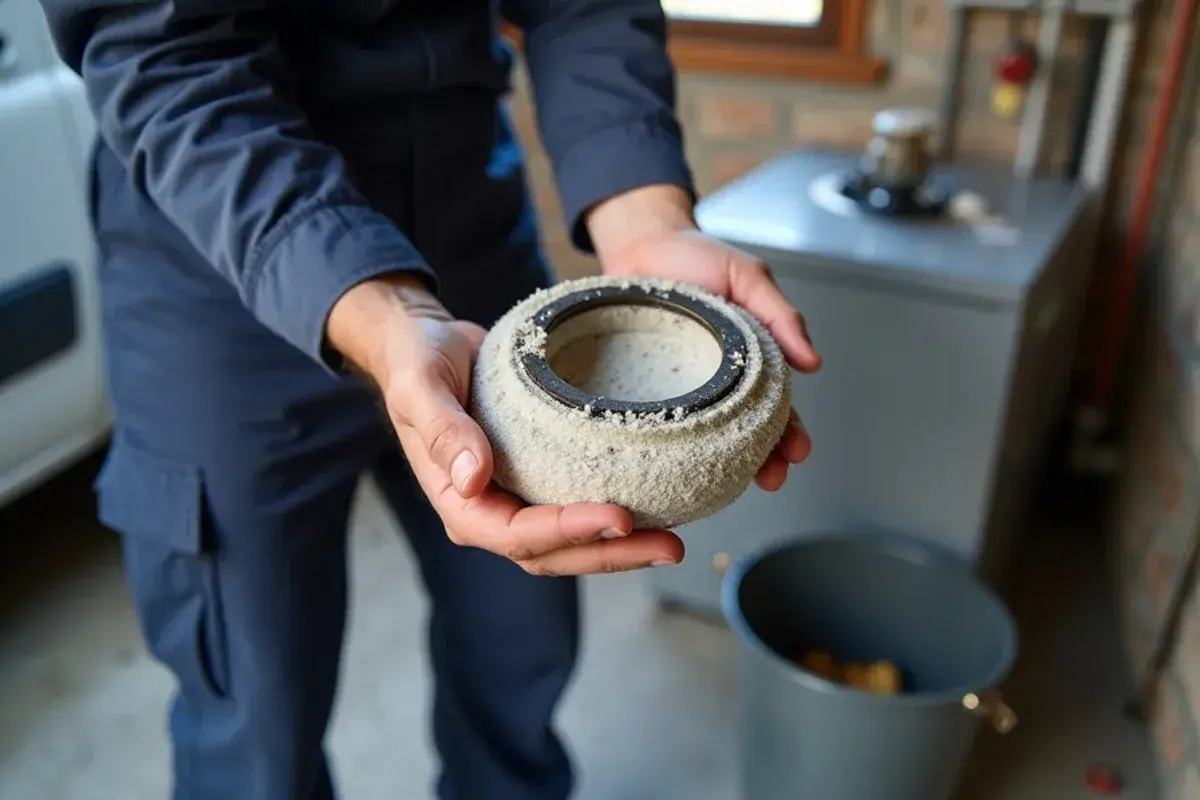
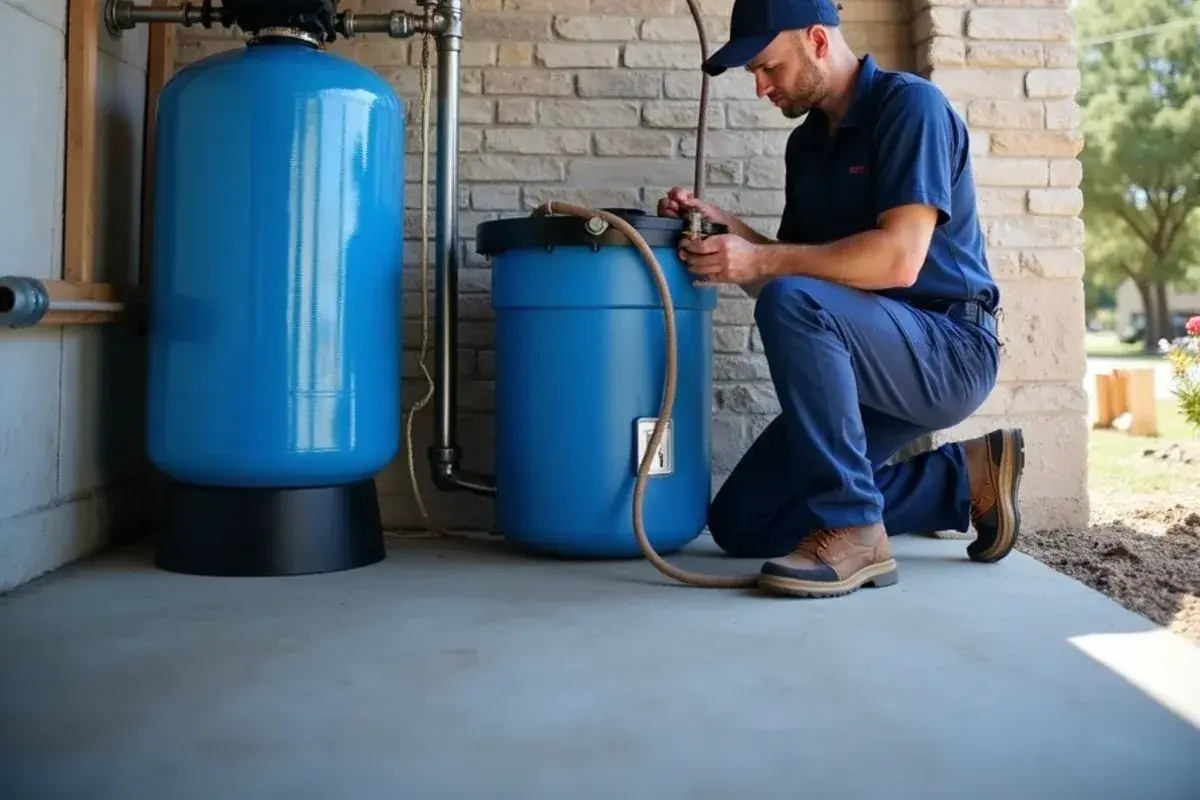
Out on the acreage many homes draw from private wells, and the water is hard. Calcium and magnesium drop out as scale whenever water is heated. Tank bottoms fill with sediment, electric elements crust over, and tankless heat exchangers clog unless they are descaled on a schedule.
Wells here fall under the Central Texas Groundwater Conservation District, which covers Burnet County. In January 2026 its rules took effect for a Trinity Aquifer management zone around Briggs and Oakalla in the northeast county. Groundwater here is watched closely.
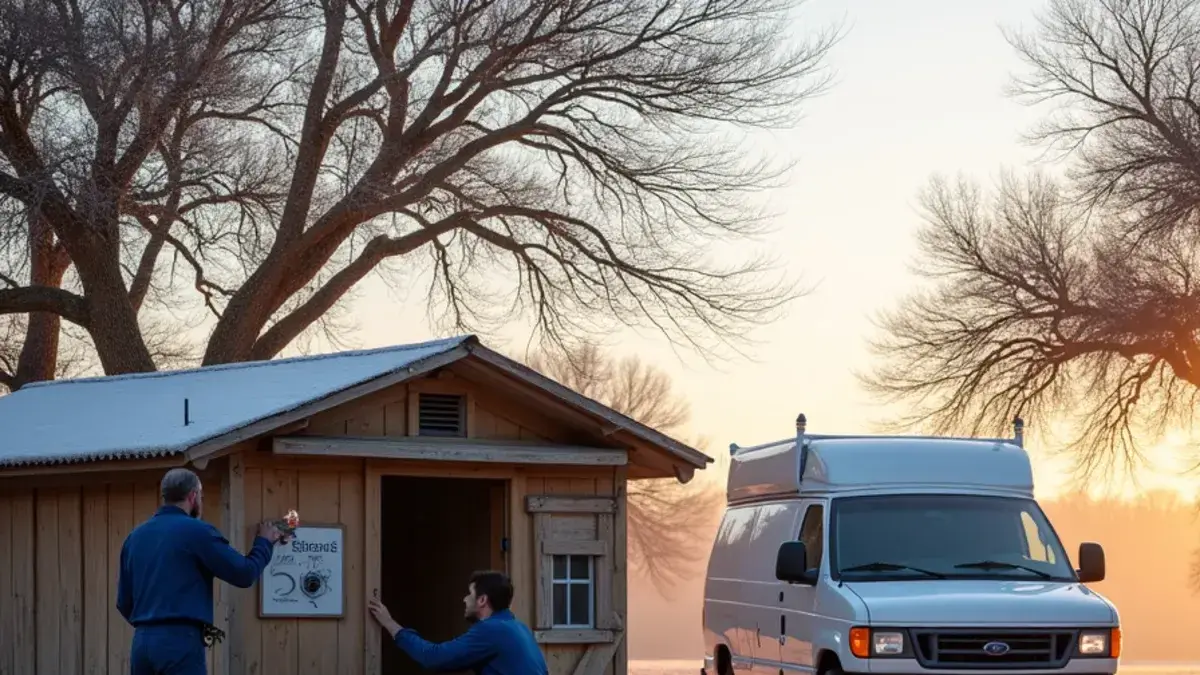
Cold is the other test. Winter Storm Uri in February 2021 found the weak points on rural places: the well house, the pressure tank and bare pipe running from them to the house.
Local knowledge
SH 29, FM 243 and the Oatmeal Festival town
Roads, a famous spoof and the work that keeps us busy east of Burnet.
SH 29 runs straight through, east to Liberty Hill and Georgetown and ten miles west to Burnet. FM 243 and FM 1174 meet it here. Children attend Burnet CISD, and the depot has sent scenic Hill Country excursions out on the Bertram Flyer.
Since 1978 the town has hosted the Oatmeal Festival over Labor Day weekend, started as a spoof of small-town chili cook-offs. For well owners, the groundwater district office in Burnet hands out sample bottles for coliform bacteria testing to county residents, worth doing after any well repair.
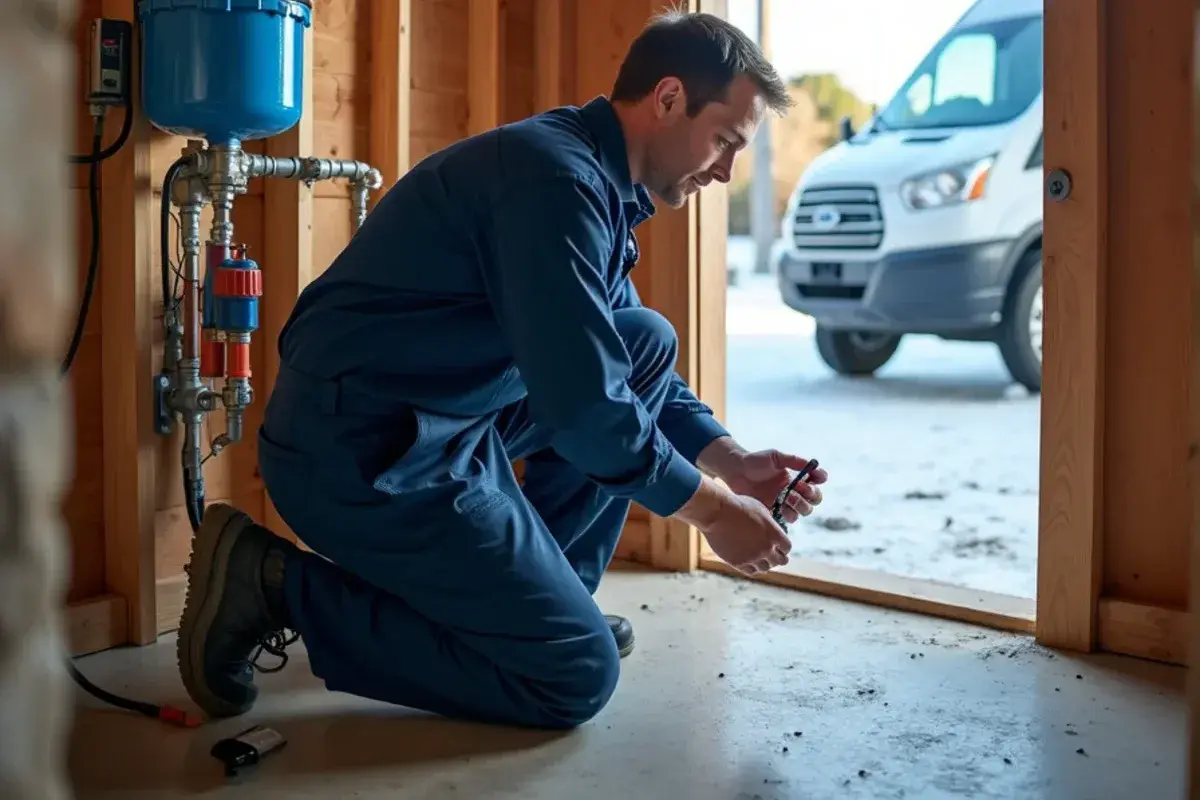
The work we see most follows the water. Softener installs and loop tie-ins. Heaters replaced early because scale cooked the bottom. Pressure-tank fittings that split in a freeze. Long yard lines out to barns, shops and guest houses that start leaking at old couplings. And older frame houses in town whose first supply lines are finally giving out.