Town and lake
Courthouse-square homes, lake cabins and hard limestone water
A frontier county seat that became the gateway to the upper Highland Lakes.
The town began beside Fort Croghan, a federal post from 1849, and was laid out as Hamilton in 1852, the year the county was formed. It took its present name in 1858. It incorporated in 1883, a year after the Austin and Northwestern Railroad made it the railhead for the country to the west.
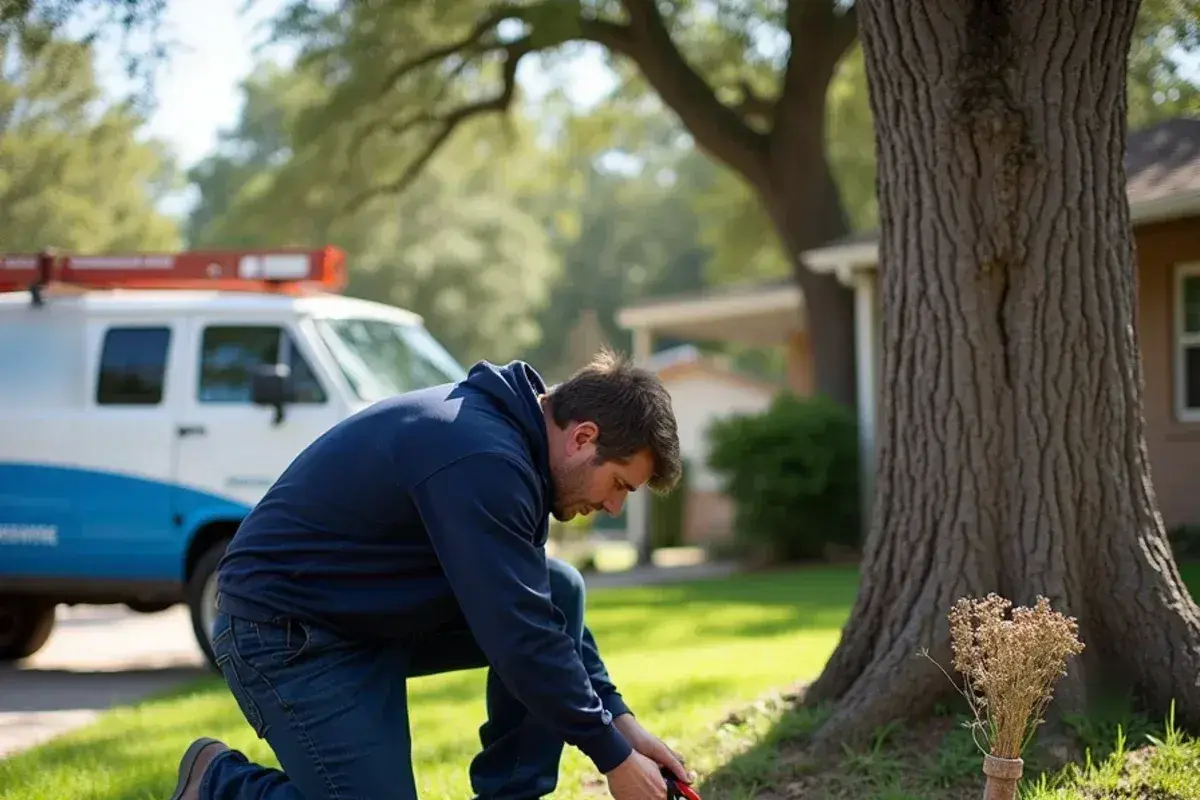
In 1885 about 31,000 tons of granite for the State Capitol were finished here before shipping to Austin. Older homes still ring the square, newer subdivisions spread beyond it, and the population nearly doubled from 3,423 in 1990 to 6,436 in 2020.

The water is hard, and it shows. Mineral crust builds on faucets and showerheads, sediment collects in tank heaters, and older steel supply pipe narrows from the inside. In a house that has been remodeled in stages, we often find three generations of pipe meeting behind one wall.
Ten miles west, LCRA finished Buchanan Dam in 1938 on a project begun in 1931 as Hamilton Dam. Lake Buchanan is one of the region’s two water supply reservoirs, and Inks Lake below it holds a nearly constant level. Cabins close to either shore may fall inside LCRA’s 2,200-foot septic zone around the upper Highland Lakes.
Local knowledge
US 281, SH 29 and the lakes west of the square
Two highways, a steam train and the jobs we see on both sides of town.
US 281 runs north 22 miles to Lampasas and south 13 miles to Marble Falls. SH 29 heads east 36 miles to Georgetown and west 30 miles to Llano. The municipal airport, Kate Craddock Field, has a 5,000-foot runway on the edge of town.
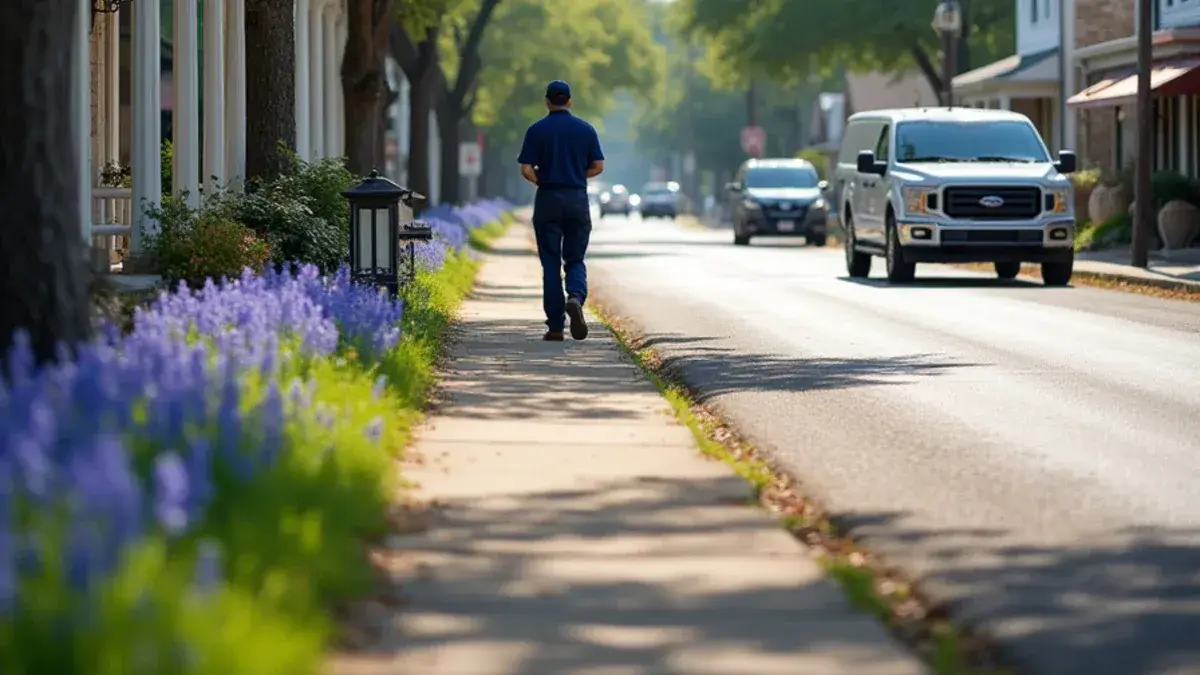
The town bills itself as the Bluebonnet Capital of Texas, and the Hill Country Flyer steam excursion runs here from Cedar Park. West of town, Inks Lake State Park climbs over pink granite hills, and the groundwater district that covers the county keeps its office here.
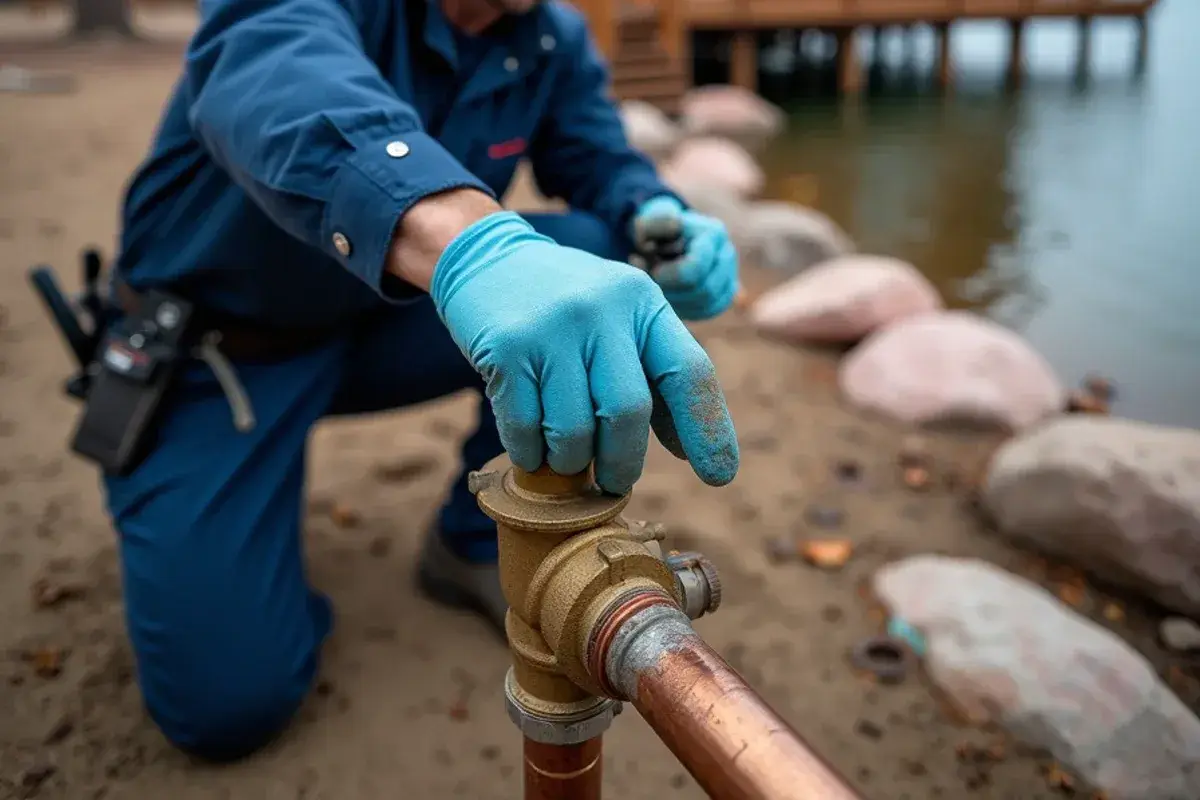
Our calls split between town and lake. In town it is heaters scaled by hard water, softener installs and older sewer laterals backing up under the house. At the lake it is cabins that sat empty while a supply line dripped, and drains that slow when the septic field is wet.