The houses and the pipe
Ranch houses from the 1970s on limestone and septic
A 1970s subdivision on big lots, with plumbing that has now done most of its job.
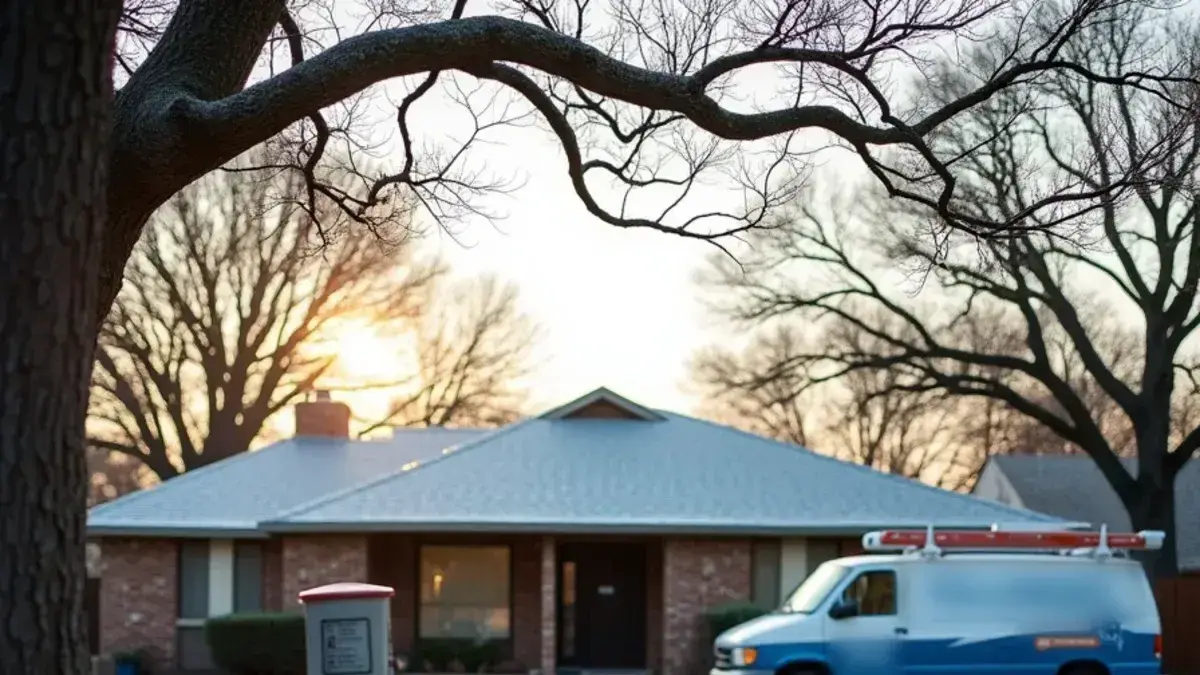
Development under the name Serenada Estates began just northwest of the Georgetown Municipal Airport by January 1974. The census counted 3,242 residents in 1990 and 2,098 in 2020, and part of the original area has since been annexed into Georgetown. Lots are large and most homes are single-story ranch houses.
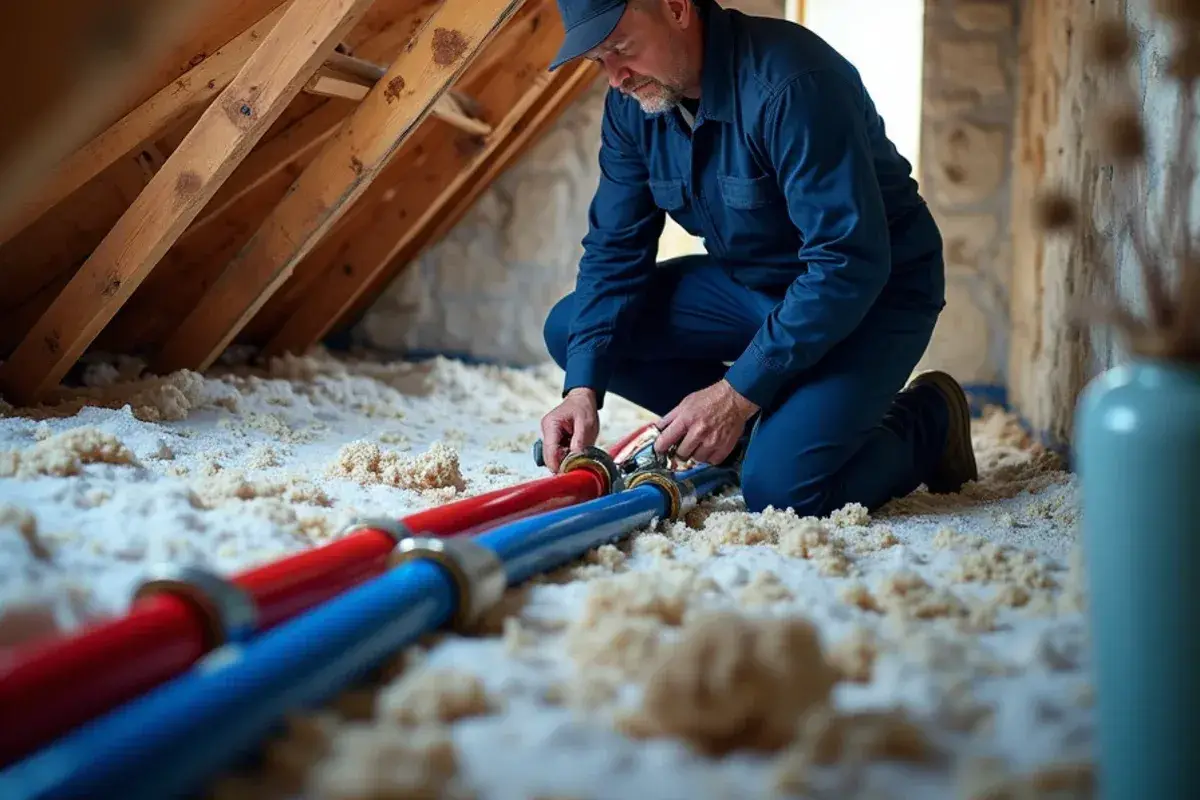
That age decides what is in the walls. A house plumbed between 1978 and 1995 falls inside the window when polybutylene supply pipe was installed, and older houses may still carry galvanized steel. Galvanized rusts from the inside, so pressure fades well before a pinhole leak appears. Copper from the same era has had decades of hard water working on its fittings.
The neighborhood sits west of the interstate, on the Edwards limestone side of the county. Rock close to the surface slows any trench for a new water line or a drain run out to the septic tank.
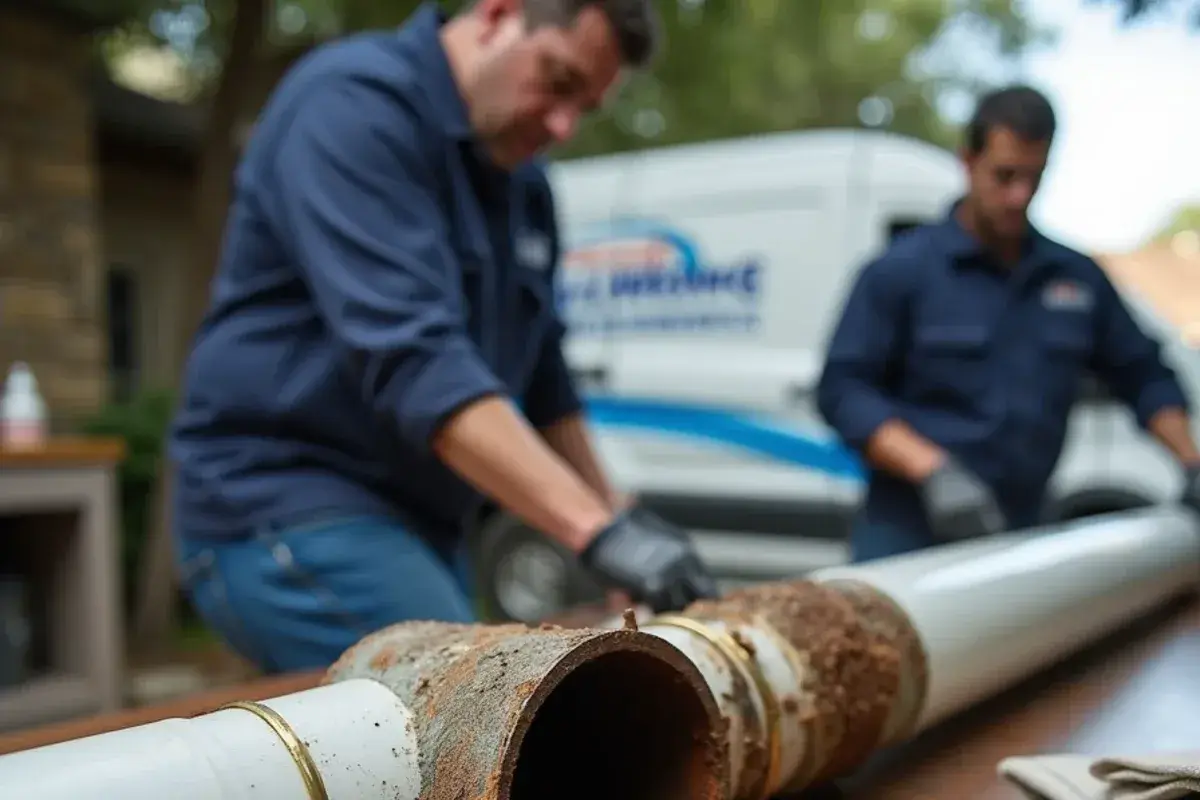
Many homes here still drain to septic, and the pipe from the house to the tank is often as old as the house. Early plastic and clay joints in that run settle, crack or let roots in, and the first symptom is usually a gurgling toilet.
Local knowledge
Next to the airport and I-35: freezes, boil notices and septic rules
Unincorporated, but tied to Georgetown in most of the ways that matter for plumbing.
Serenada is unincorporated, yet residents have Georgetown addresses and Georgetown ISD schools. It sits about three miles northwest of downtown, beside the municipal airport and a short hop off I-35.
In the February 2021 freeze, the City of Georgetown's boil-water notice covered the Serenada neighborhood along with Booty's Crossing Road and parts of Berry Creek. Power outages at pump stations dropped pressure across the system while pipes split in attics and exterior walls. The city lifted its last boil notices on February 22.
Septic repairs and replacement systems go through the Williamson County Engineer's on-site sewage facility program, not the city. The work we see most here is predictable: a galvanized or polybutylene repipe, a slow septic drain line, a tank heater past 15 years. Any new trench across the yard starts with a Texas 811 locate request.