The houses and the hills
Lake Travis resort homes from the 1960s on, and pressure to match
A ranch that became a resort, then a city of hillside homes.
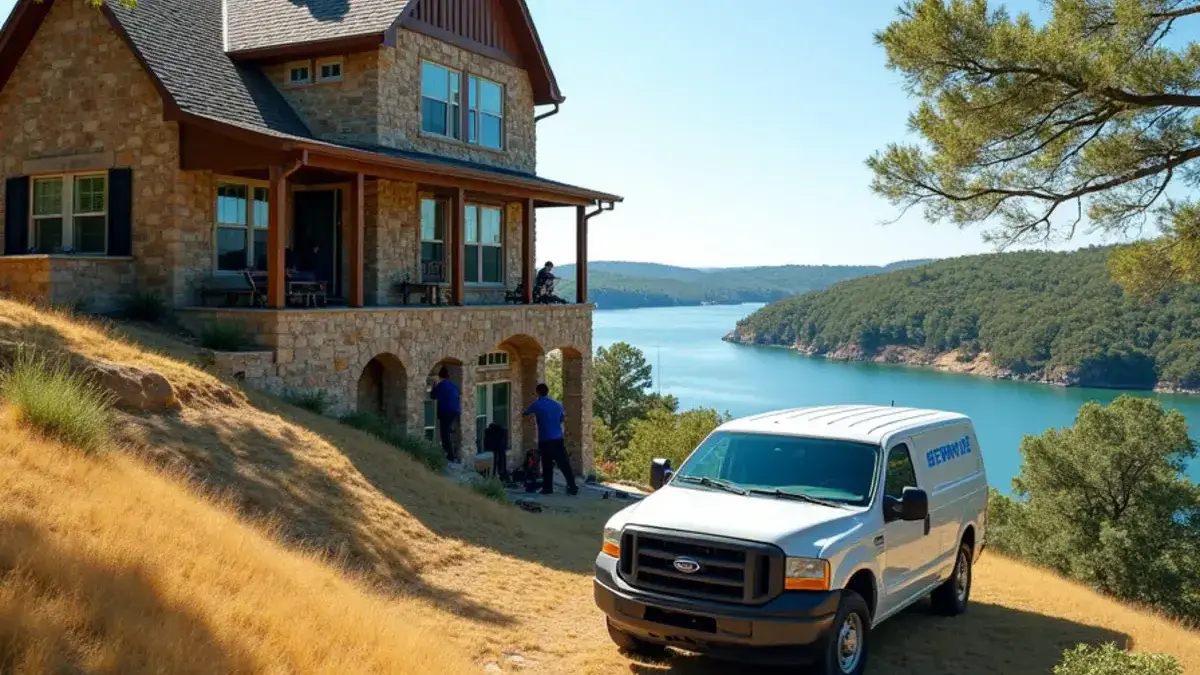
Lakeway began on a 2,700-acre ranch. Lots went on sale on May 30, 1963, the Lakeway Inn and Marina opened that July, and by 1971 there were about 300 homes on 1,000 developed acres. Owners voted to incorporate in July 1974, with the consent of the City of Austin.
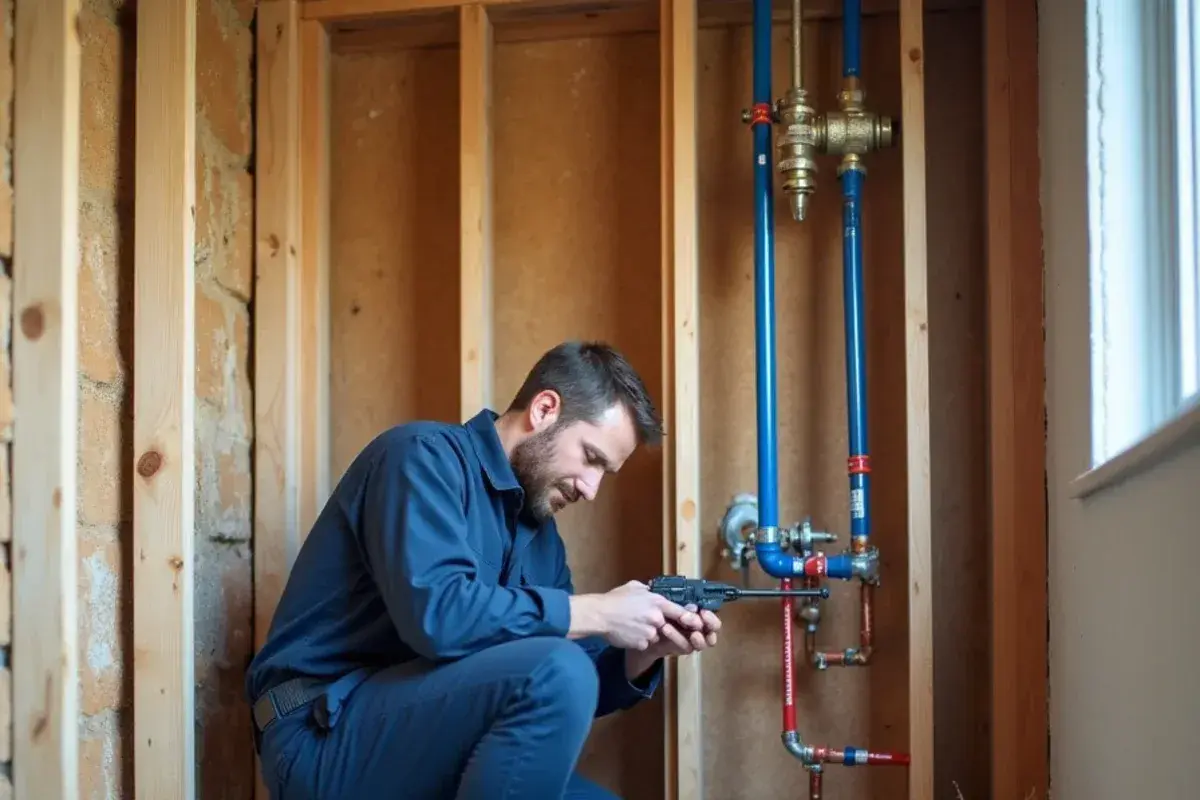
The city describes its start as a retirement and second-home community, and that first wave of housing is now 40 to 50 years old. Homes plumbed from 1978 to 1995 fall inside the polybutylene window. The population climbed from 4,044 in 1990 to 19,189 in 2020.
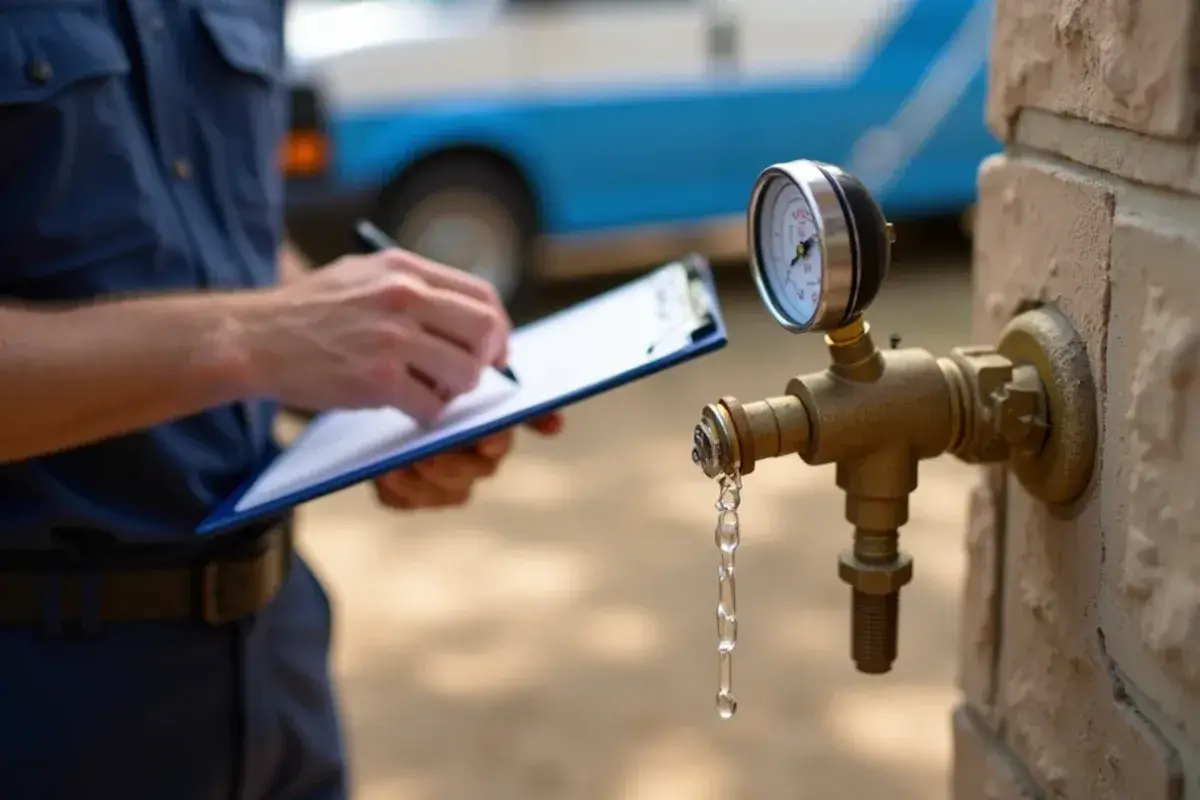
Hills mean pressure. A system that can push water up to the hilltop houses delivers much more at the lower lots. The International Residential Code caps static pressure in a home at 80 psi and calls for a pressure-reducing valve at the service entry wherever the main runs higher.
The same code asks for thermal expansion control once that valve is in. Without it, pressure spikes each time the heater fires. Relief valves weep, toilet fill valves hiss, washer hoses balloon, and the oldest polybutylene or copper joints give way first. A gauge on a hose bib shows within minutes whether pressure is behind it.
Local knowledge
RR 620, Lakeway MUD and the new Rough Hollow customers
Roads, the water district and the jobs we see most on the south shore.
RR 620 is the spine, crossing Mansfield Dam five miles east and running north toward Cedar Park and Round Rock. The city sits on the south shore about 25 miles west of downtown Austin, with golf courses, marinas, a private airport and nearly 500 acres of greenbelt.
Lakeway MUD has supplied water and wastewater since 1972. On August 17, 2026 it took over Travis County MUDs 11, 12 and 13, adding about 4,800 customers in Rough Hollow and The Highlands. Its free WaterSmart account shows hourly use, a quick way to catch a leak.
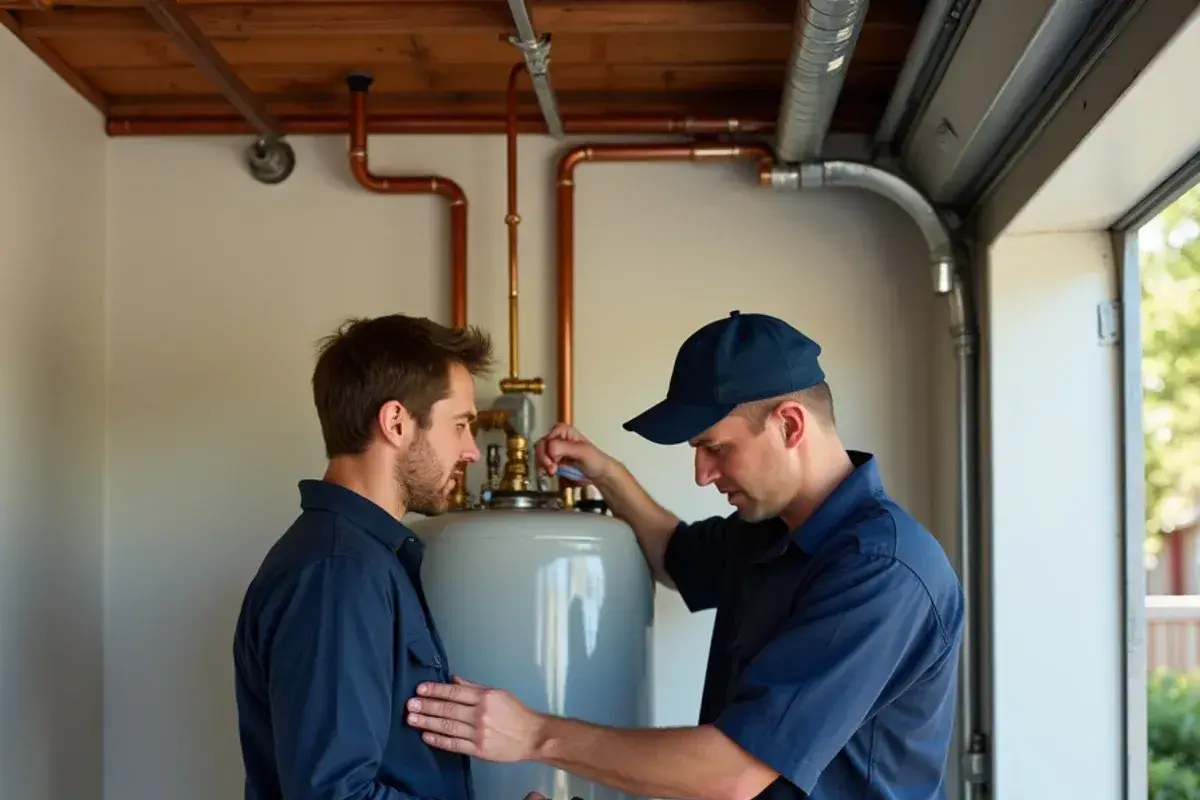
Automatic sprinklers are barred from 10 a.m. to 7 p.m., and homes on grinder pumps call the MUD for service on those units. Our own calls run to PRVs past their prime, repipes in 1970s houses, tankless heaters needing a flush and leaks spotted first on a usage graph.