The houses and the ground
Slab subdivisions from the 1980s on, all riding the same clay
A farm town that turned into a suburb fast, almost entirely on slab foundations.
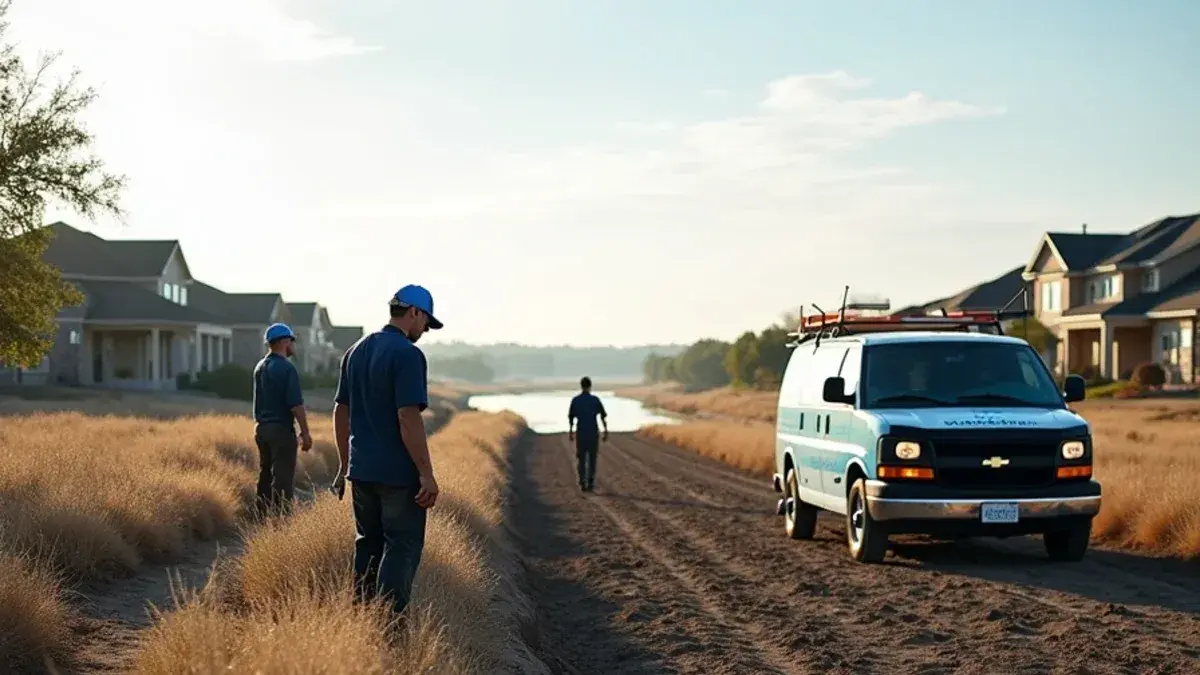
Pflugerville takes its name from Henry Pfluger, who brought his family from Germany in 1849. It stayed a small farm town for more than a century. From 1980 to 1988 it was the fastest-growing community in Texas, according to the Handbook of Texas, and the 2020 census counted 65,191 people.
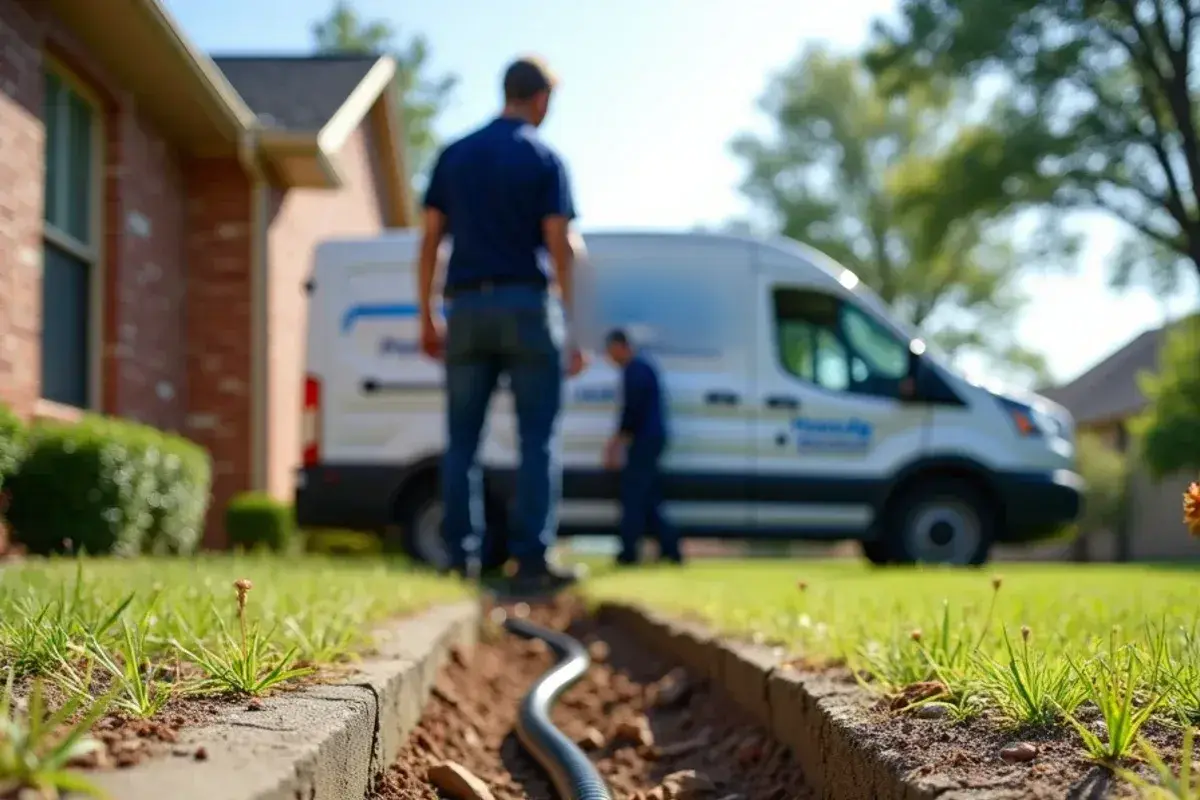
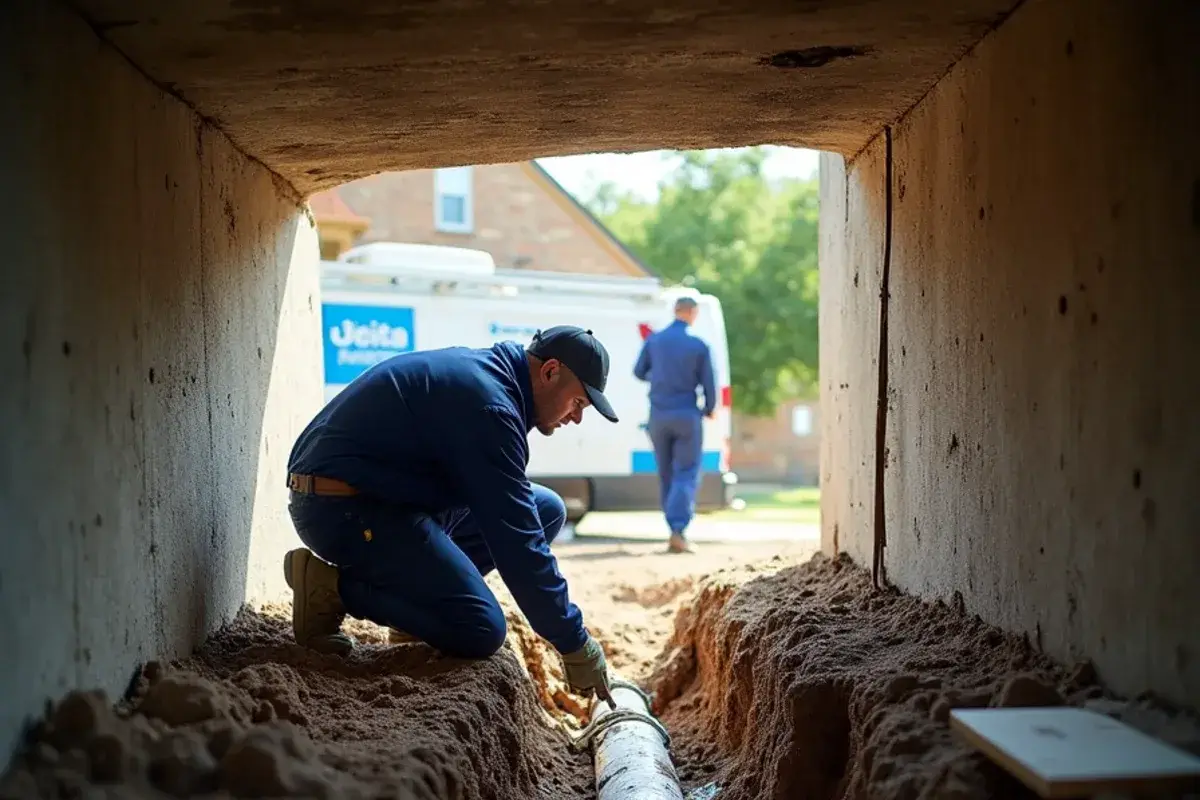
Nearly all of that growth is slab-on-grade housing on Blackland clay. The clay swells when wet and shrinks hard in summer, and the slab rises and settles with it. Drain lines buried under the slab take the strain, and a cracked joint can leak into the soil for months before anyone notices.
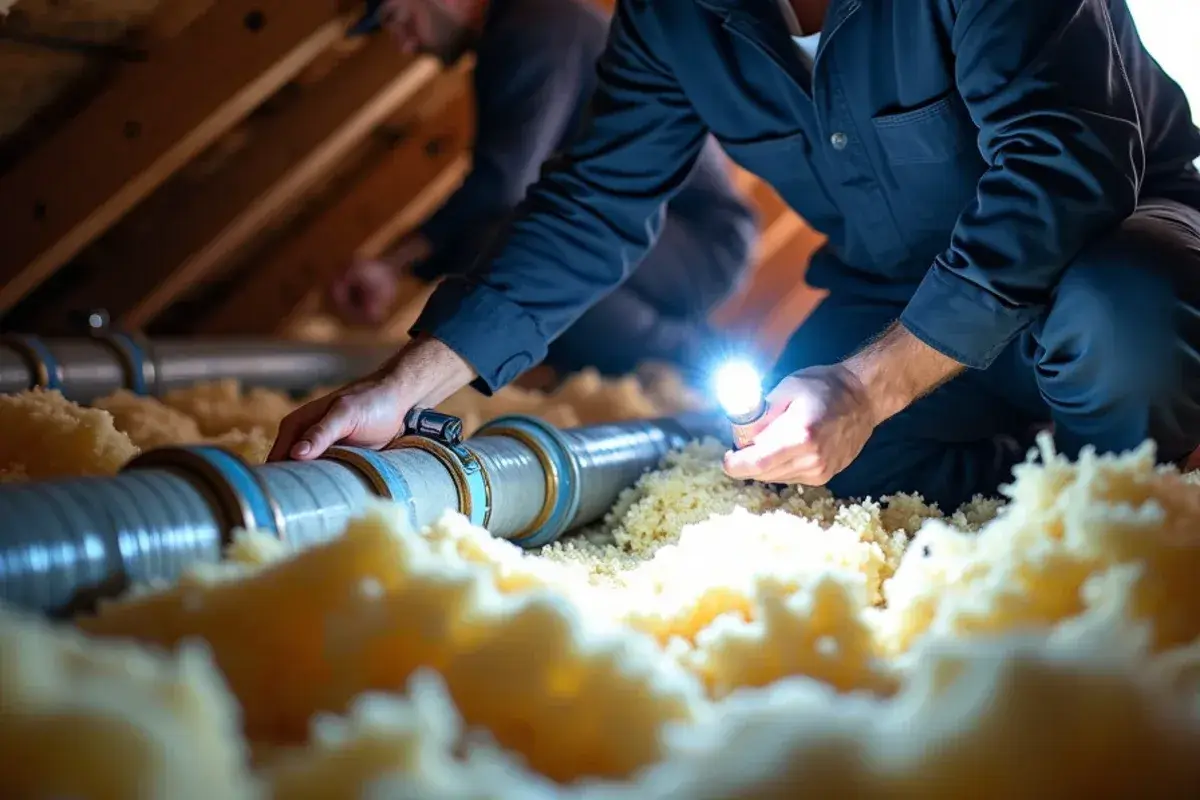
Supply pipe varies by decade. Houses from the 1980s and early ’90s fall inside the 1978–1995 polybutylene window, so some still carry gray plastic lines with fittings that turn brittle. Later homes use copper or PEX, and many original tank water heaters, typically good for 10 to 15 years, are past due.
A slab leak here rarely shows up as a puddle. More often it is a warm stripe on the floor, a hiss behind a baseboard or a bill that jumps with no change in habits. Catching it early also limits how much water soaks the clay under the slab.
Local knowledge
Colorado River water, the SH 130 boom and the 2026 shortage
Where the water comes from, what went wrong with it in 2026 and what that says about the soil.
City water blends groundwater from the Edwards Aquifer with surface water from Lake Pflugerville. That 180-acre reservoir, finished in 2006, is filled entirely by water pumped through a 16-mile line from the Colorado River.
The pipeline is the weak point. The raw waterline broke repeatedly from September 2025 into March 2026, and on March 4 the mayor declared a water shortage emergency with Stage 3 rules. Outdoor watering was banned, except for soaking a home’s foundation to keep it from cracking.
That exception says a lot about the soil. SH 130 opened east of town in November 2006, and much of the newer building followed it. The city requires permits for water heater replacements, repipes and gas lines, and we pull them as part of the job. Most calls we take here are slab leaks, drain backups and water heater swaps.