

The soil science
Why does Blackland clay move a slab foundation?
The clay itself changes volume with every wet and dry season. The house sits on top of that change.
The Blackland Prairie runs from north of Dallas south to San Antonio, and its signature soil is Houston Black clay. The USDA Natural Resources Conservation Service (NRCS) maps that one soil series on about 1.5 million acres. It calls these soils the classic Vertisols, which shrink and swell markedly as moisture changes.
The reason is mineral. NRCS classifies Houston Black as smectitic, the clay family that includes montmorillonite. Smectite takes water in between its thin layers and expands, then gives it back and shrinks. With 40 to 60 percent clay in the soil, that swing is large.
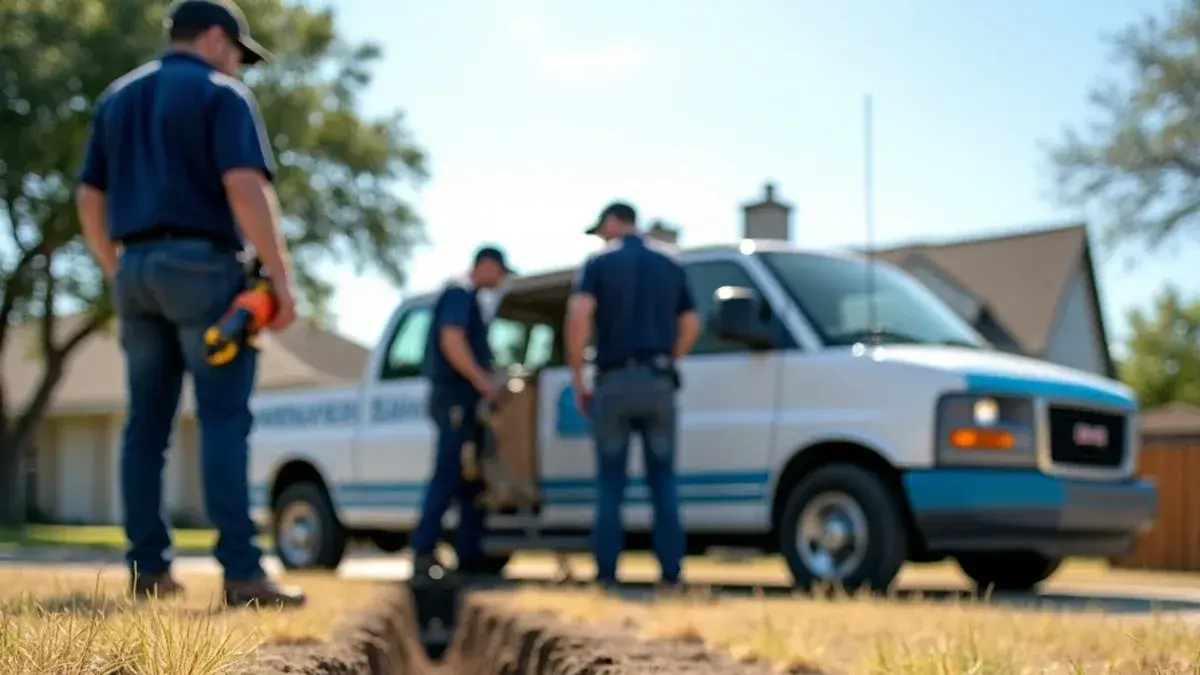
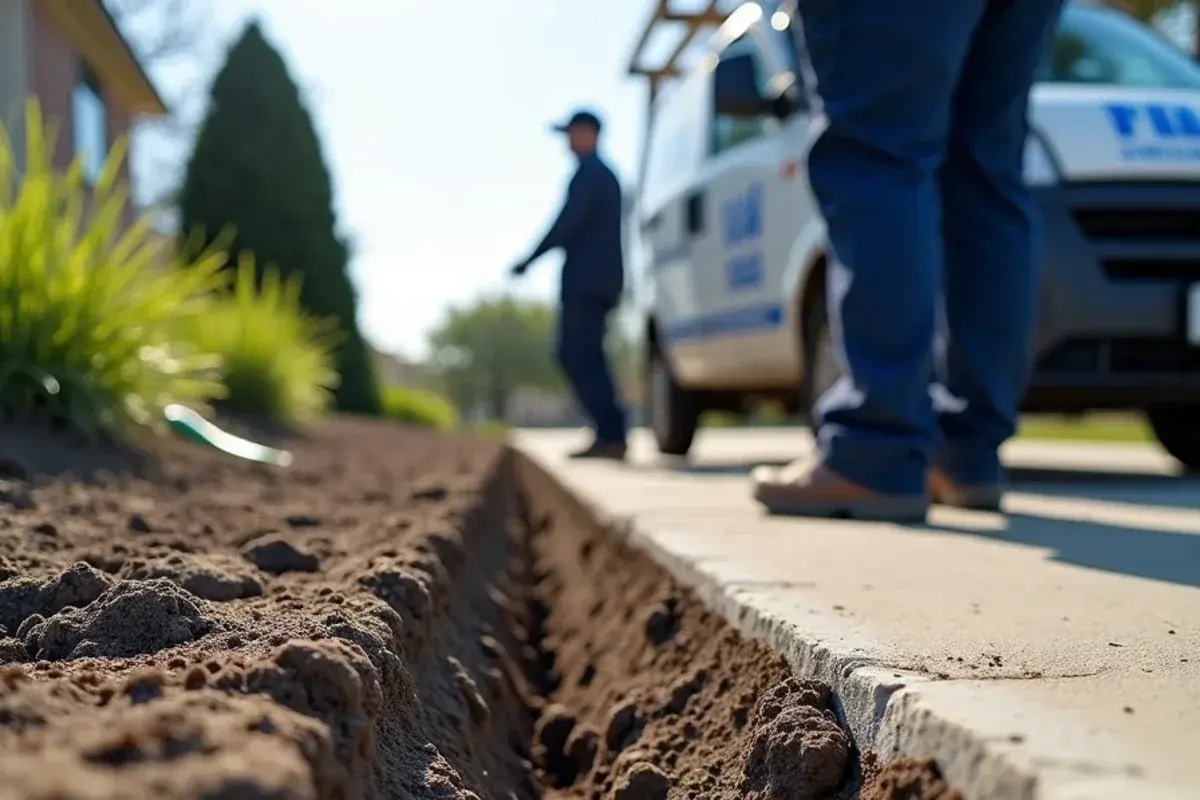
In a dry spell the ground opens up. The official NRCS description records cracks 0.5 to 4 inches wide, reaching 12 inches deep or more, open for 90 to 150 days in most years. When rain returns, water pours into those cracks fast, then barely moves once the clay is wet.
That uneven wetting is what moves a slab. The edge of the house dries and drops in August while the soil under the middle stays damp. A wet spring reverses it. NRCS notes that this very high shrink-swell potential commonly limits building site development in metro areas.
East Williamson County
Where the heavy clay sits: Hutto, Taylor and Manor east of I-35
I-35 is a rough soil line. West of it, Edwards limestone; east of it, shrink-swell Blackland clay.
Cross the interstate heading east and the ground changes from rock to deep black clay. The reference profile NRCS uses to define Houston Black clay was described in Travis County, a few miles east of Manor along US 290. This is the textbook soil, not a fringe case.
| Community | Typical housing | What the clay works on |
|---|---|---|
| Hutto | Mostly 2000s–2020s production homes; about 1,250 people in 2000, 27,577 in 2020 | PEX or copper supply and PVC drains under slabs up to about two decades old |
| Taylor | Early-1900s homes near the historic downtown, plus new building | Cast-iron drains and galvanized supply on the county’s heaviest clay |
| Manor | ShadowGlen and Presidential Glen, built fast; more than ten times its 2000 population | First-generation slab plumbing in neighbourhoods built in quick succession |
In Hutto, the houses are young but the ground under them is not quiet. However well the pad was prepared, the clay below keeps cycling, and drain joints under the slab are often the first thing to complain.
Taylor shows what a century of that cycling does. Old cast-iron drains crack and separate at the hubs, and galvanized lines rust thin. In Manor, whole streets went in at once, so slab leaks there tend to arrive in clusters as the houses reach the same age.
Under the floor
What happens to pipes under a slab when the clay moves?
Concrete can crack and still stand. Rigid pipe joints under it have less room to give.
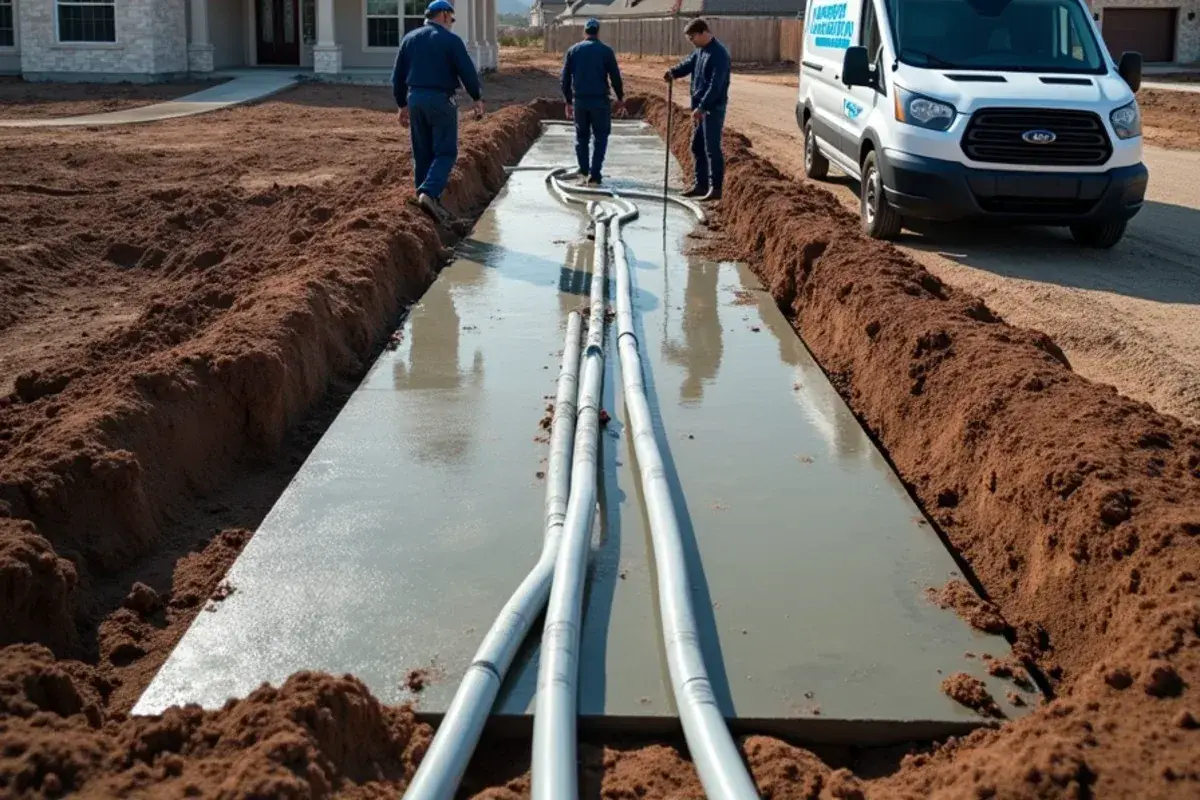
Most slab homes have supply lines bedded in sand under the concrete, rising at stub-ups for each fixture. Drain lines slope below them to the sewer. When one part of the slab drops and another does not, those lines bend, slide against concrete or pull at their joints.
Supply leaks are under pressure, so they run all the time and often show as a warm spot when the hot line fails. One of our reviewers described "a hot water leak under the slab near the master bathroom shower." Drain leaks only run when fixtures are used, so they hide longer.
Leaks also feed the problem. Water from a broken drain wets the clay in one spot, that spot swells, and the slab moves more there than anywhere else. A small plumbing failure can turn into uneven heave that cracks tile and jams doors.
Signs of a slab leak on clay soil:
- The water meter or its leak indicator moves with every fixture off
- A warm or damp patch on tile, wood or carpet
- The sound of running water with nothing turned on
- New cracks in floor tile or drywall, or doors that suddenly stick
- A water bill that jumps without a change in use
- Sewer odour or a slow drain on the lowest fixtures

Expert insight
Fix the leak or the foundation first? An honest sequence
On clay, plumbing and foundation problems feed each other. The order you tackle them in matters.
Find and stop the water first. A foundation lifted over an active leak keeps moving, because the wet clay keeps swelling. Leak location starts with a meter test and isolating the hot, cold and drain systems. Acoustic listening, thermal imaging or a drain test and camera then narrow it down.
If a foundation contractor will lift the house, ask for a plumbing test before and after the work. Raising a slab can break joints that were sound the day before. A test on each side of the lift shows which leaks came with the house and which came with the repair.
There are three ways to fix the pipe itself, and each trades cost against disruption. Our slab leak repair page walks through them in detail.
| Method | Best fit | Trade-off |
|---|---|---|
| Spot repair through the floor | One leak, easy access, a sound line otherwise | Breaks flooring and concrete in one room; other old joints stay in the clay |
| Reroute overhead | Supply lines, especially with repeat leaks | New pipe through attic and walls; the old line is abandoned, out of the moving soil |
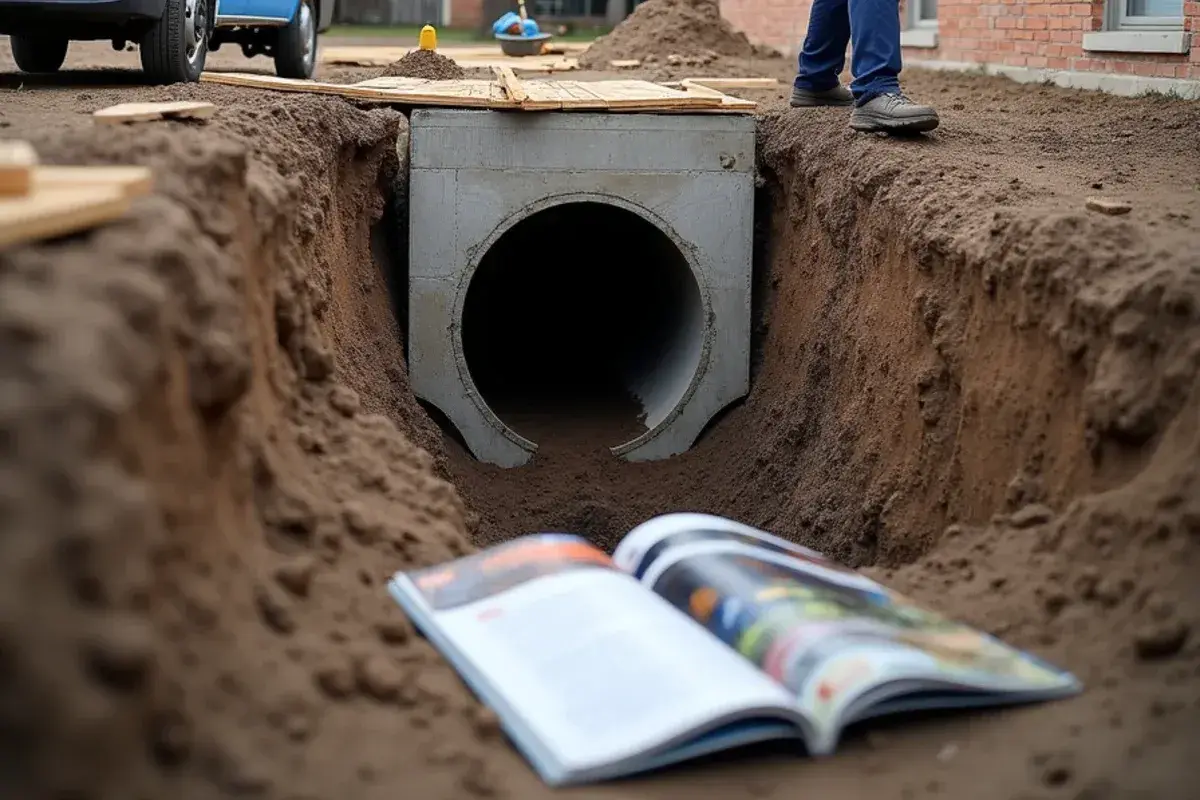
| Tunnel under the slab | Drain lines, or leaks under finished rooms | Slow digging from outside, but floors inside stay untouched |
On clay, rerouting a supply line overhead is often the durable choice. It takes that line out of the moving ground for good, while a spot repair leaves the rest of the original pipe under the slab.
Prevention
How can you keep clay moisture steady around the slab?
You cannot stop clay from reacting to weather, but you can stop it from swinging hard at the edge of the house.
Move roof water away from the slab
Keep gutters clear and add downspout extensions so roof runoff lands several feet out, not in a puddle against the grade beam.
Keep the grade sloping away
Soil and beds should fall away from the house. Flower beds edged higher than the lawn trap water at the foundation.
Water evenly in long dry spells
When the clay pulls away from the slab, run a soaker hose a short distance out on a steady schedule. It keeps the edge from drying faster than the middle. Avoid flooding one side.
Mind trees near the house
Large live oaks and cedar elms pull a lot of water from clay. Roots close to the slab dry one corner faster than the rest.
Check the meter twice a year
Turn everything off and watch the leak indicator. Catching a slab leak while it is small also stops it from swelling the clay under one room.