
Rail camp to medical city
Santa Fe rail-camp streets, Houston black clay and aging laterals
The street grid came from the railroad, and the ground under it has never kept still.
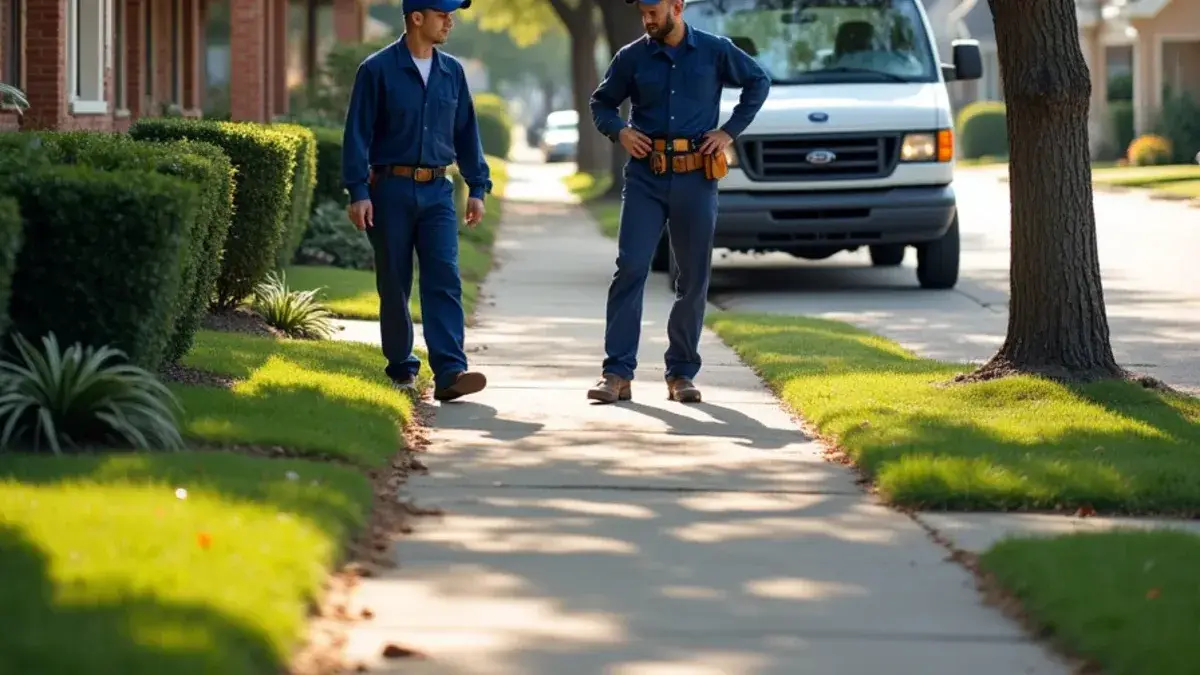
The city began as a rail camp. In 1880 Jonathan E. Moore sold 187 acres to the Gulf, Colorado and Santa Fe Railway. When the post office opened in January 1881, the camp took the name of the line’s chief engineer, Bernard Moore Temple.
Locals called the early town Mud Town or Tanglefoot, an easy name to understand once you have dug here. Houston black clay is the most common soil in Bell County. On the Blackland Prairie east side it swells when wet and shrinks hard in late summer. That movement works on sewer laterals and on supply lines under slabs.
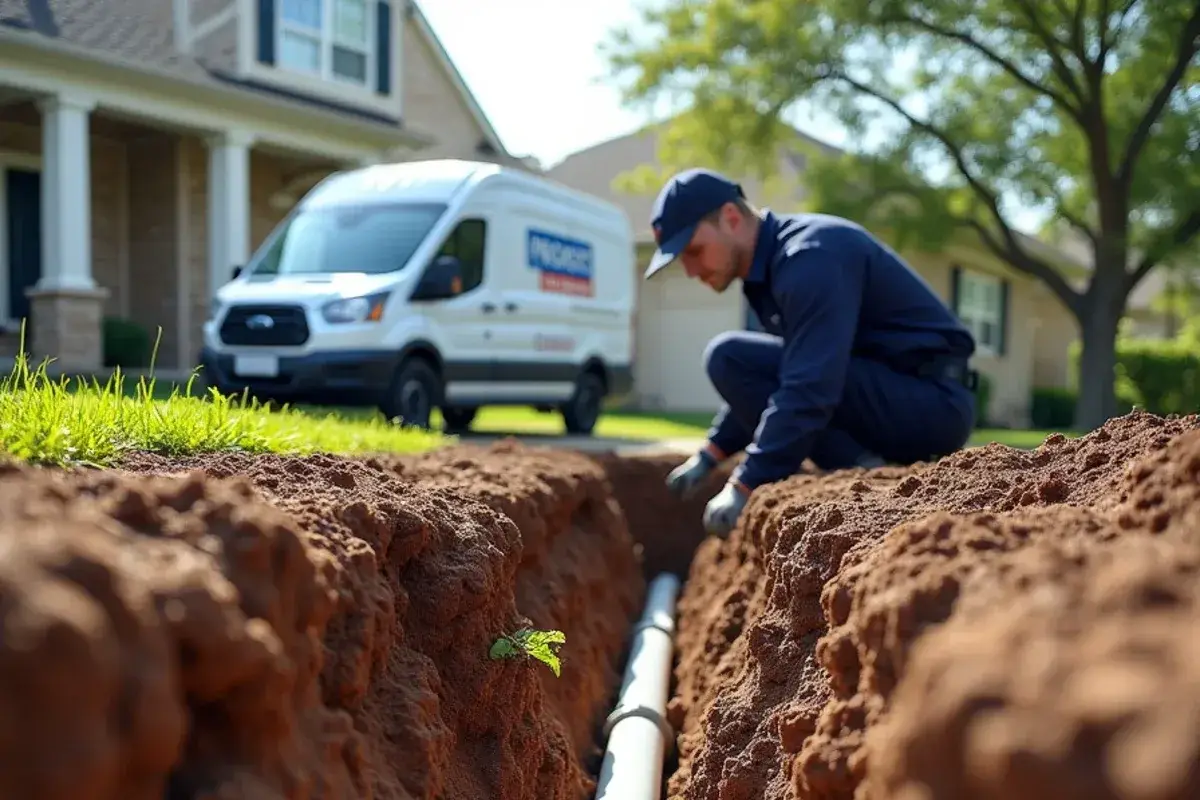
Railroad-era streets near downtown, and many mid-century blocks after them, were built with cast-iron drains and clay-tile sewer laterals. Clay tile separates at its joints when the ground moves, and roots find the gap. Cast iron rusts thin along the bottom of the pipe.
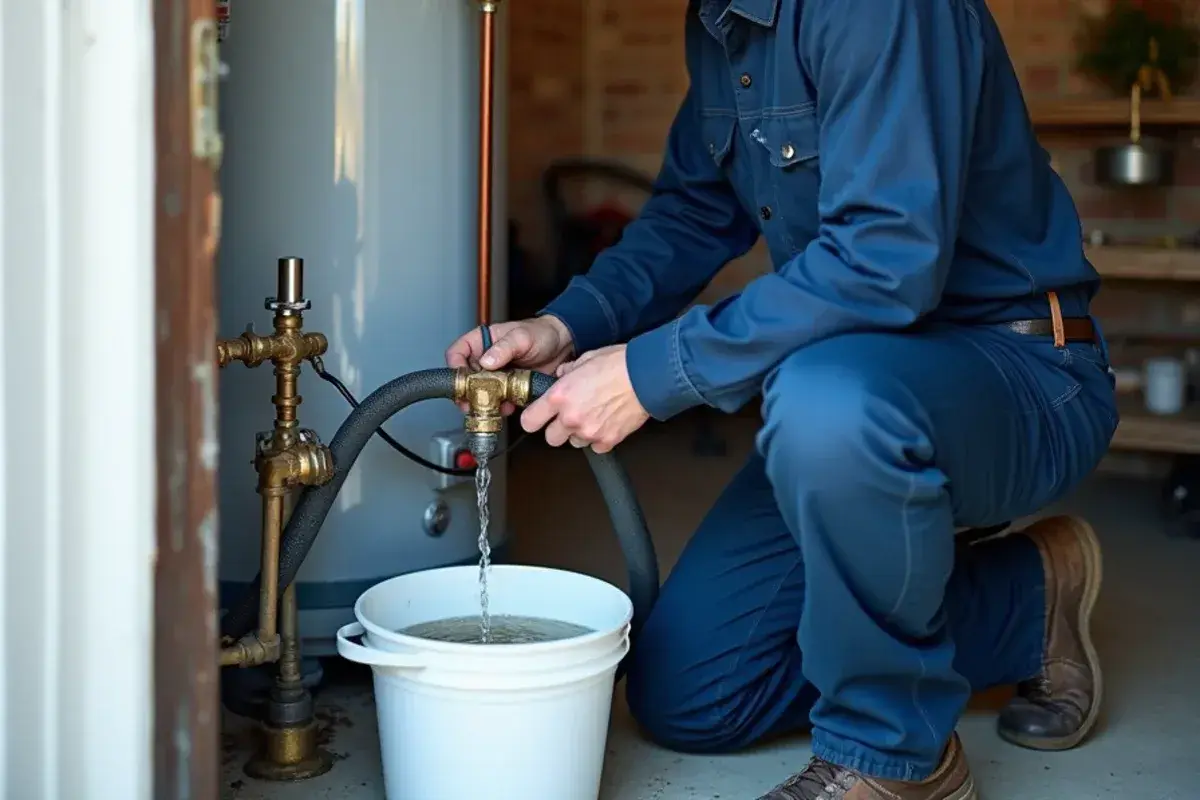
Much of the city is younger. Census estimates put the median home’s construction year at 1996 and about 42 percent of occupied homes as rentals. That means first and second water heaters, landlord repairs and slab leaks under houses on moving clay.
Water, sewer and business
Leon River water, two sewer plants and the I-35 industrial side
Where the water comes from, where it goes, and who else needs a plumber.
Tap water starts in the Leon River. The city contracts with the Brazos River Authority for 30,453 acre-feet a year drawn below Lake Belton, on top of its own river right from 1916. Water it treats and sells to Morgan’s Point Resort tested at about 174 mg/L total hardness in 2025, roughly 10 grains per gallon.
Wastewater goes to two plants the Brazos River Authority operates. The Temple-Belton plant treats about 70 percent of the city’s flow, and Doshier Farm takes the rest.
Medicine has deep roots here. The Santa Fe Hospital opened in 1891, King’s Daughters in 1897 and Scott and White in 1904, and the Baylor Scott & White campus carries that on. Along I-35 the economic development corporation markets 2,000 acres of shovel-ready land beside established manufacturing plants.
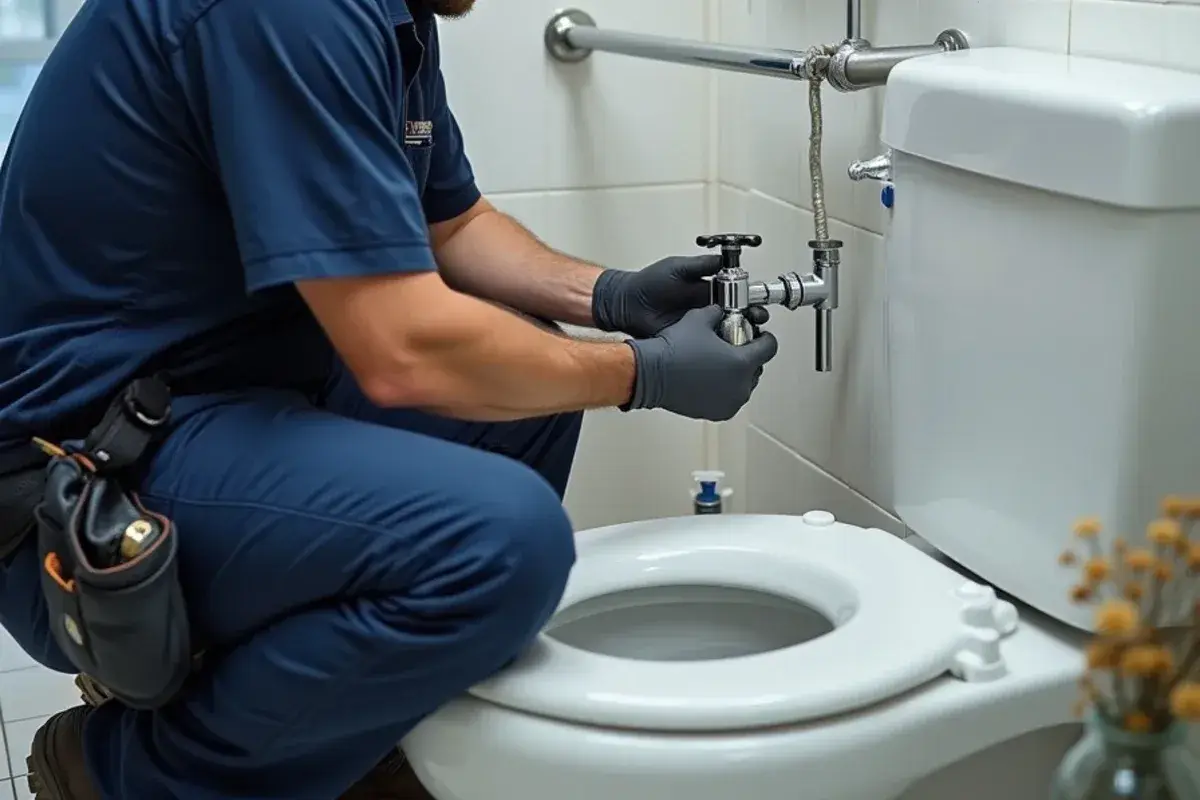
So the work splits two ways. At home it is camera and root work on old laterals, slab leaks and scaled heaters. For clinics, offices and shops it is restrooms, water heaters and drains.