The houses and their plumbing
Early-1900s frame houses astride the Bell County line
A Katy railroad town whose building boom ended a century ago, with plumbing patched ever since.
The town was laid out in 1881, when the Katy surveyed its right-of-way, on land donated by its namesake John T. Bartlett and J. E. Pietzsch. Trains arrived in 1882, and the town incorporated in 1890 with its own waterworks.
Cotton carried it to about 2,200 people by 1914, and the 2020 census counted 1,633. Much of what stands today went up in those early decades, so frame houses and brick commercial buildings make up a large share of the stock.
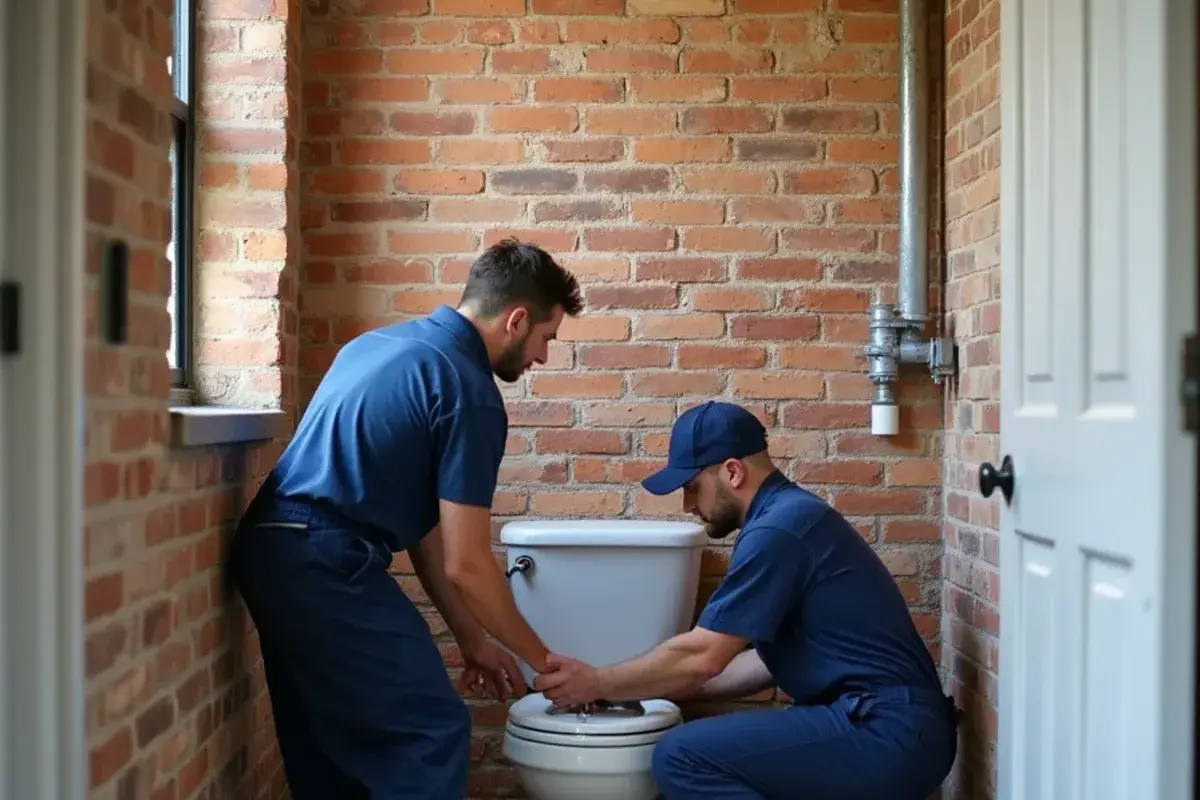
Plumbing in houses of that age has usually been patched more than once. It is common to find galvanized supply spliced to copper or PEX, cast-iron drains tied into newer PVC, and a sewer lateral nobody has seen in decades. Every mixed joint is a likely leak point, and drain lines under raised floors sag once their old hangers rust through.
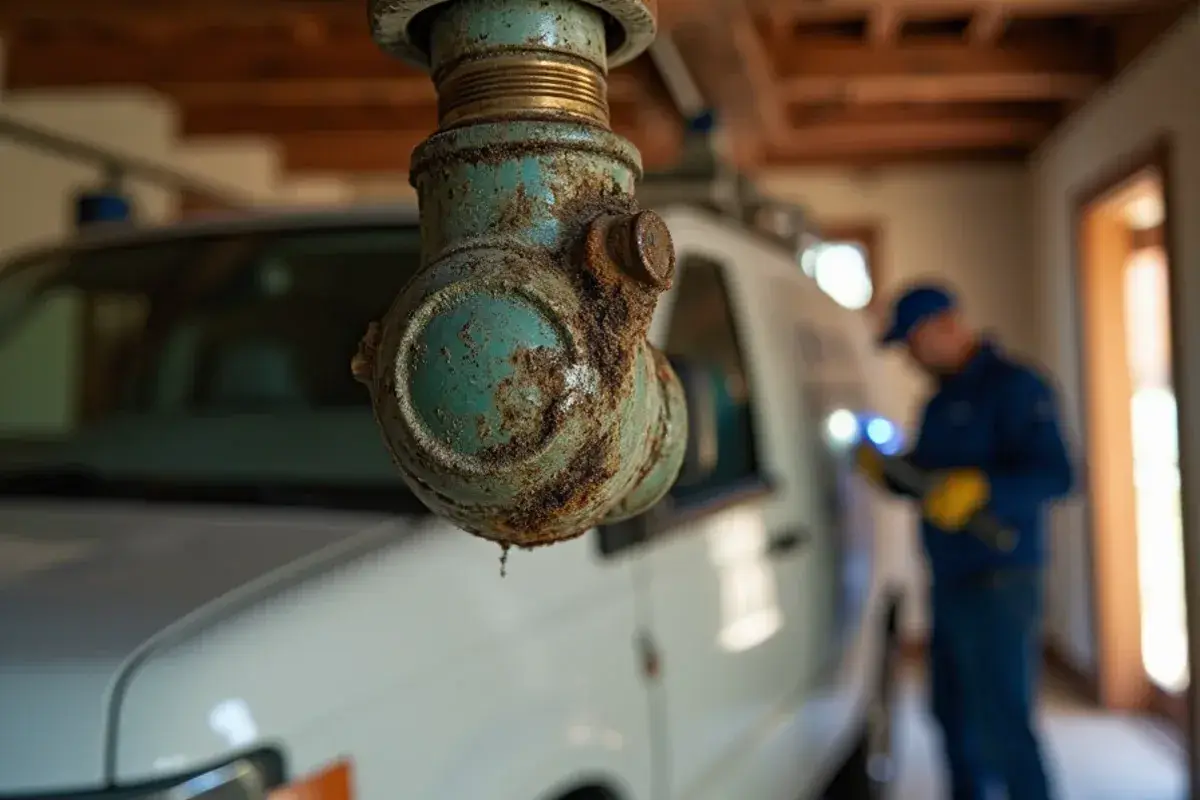
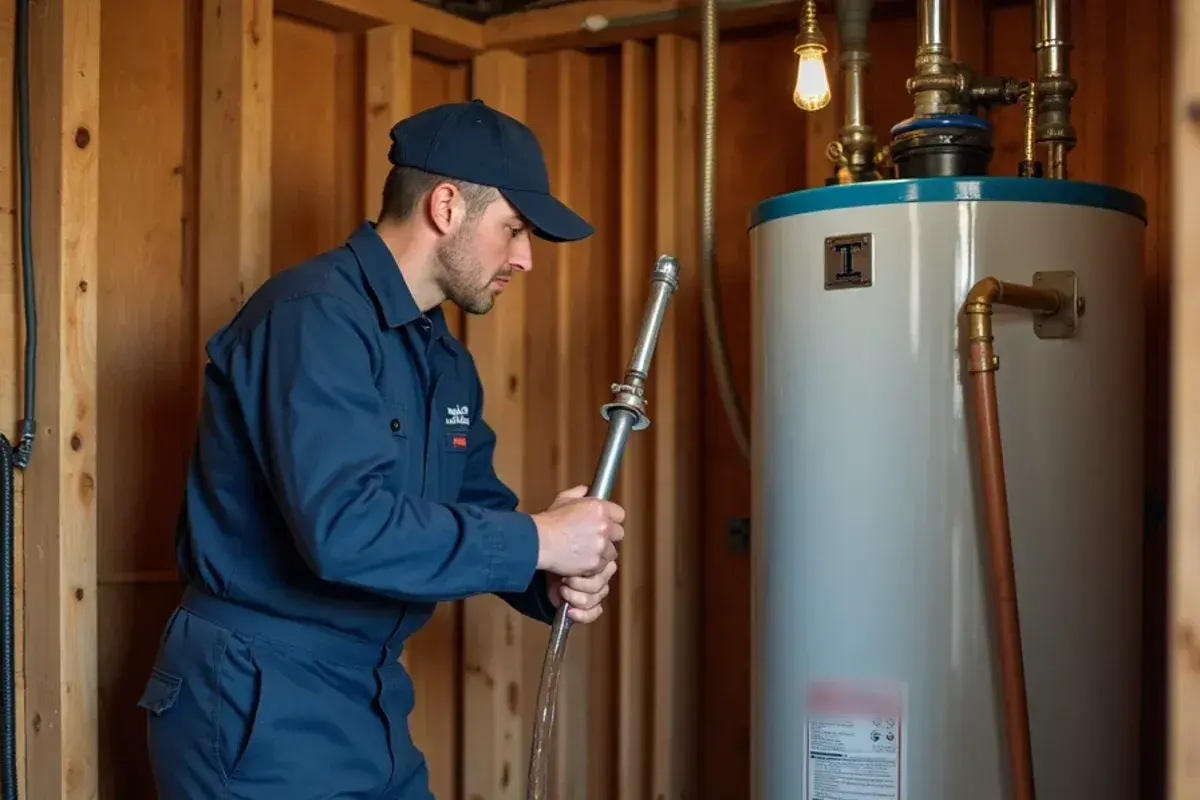
The ground is blackland clay that swells after rain and shrinks in drought, so laterals sag and old joints pull apart. The city’s wells draw from aquifers the Texas Water Development Board describes as hard, and that mineral load scales water heaters and faucet cartridges over time.
Local knowledge
Clark Street storefronts, a 1935 power co-op and city well water
The downtown, the utilities and what they mean for a plumbing call.
The Bartlett Commercial Historic District joined the National Register in 1980, covering the 100 and 200 blocks of East Clark Street between SH 95 and the rail line. The First National Bank once stood there in a building that straddled the Williamson–Bell line.
Rural electrification in Texas started here. Bartlett Electric Cooperative was founded in 1935, and its state historical marker calls it the first REA project in Texas. Its first farm home was switched on in March 1936. The short Bartlett Western rail line west toward Florence had shut down in 1935, the same year the co-op formed.
Water comes from two city wells, chlorinated into a ground storage tank and sent by booster pumps to two elevated tanks. Ask City Hall whether your job needs a city permit; when one is required, we pull it. Most calls here are sewer backups, low pressure from old pipe and water heater replacements.