
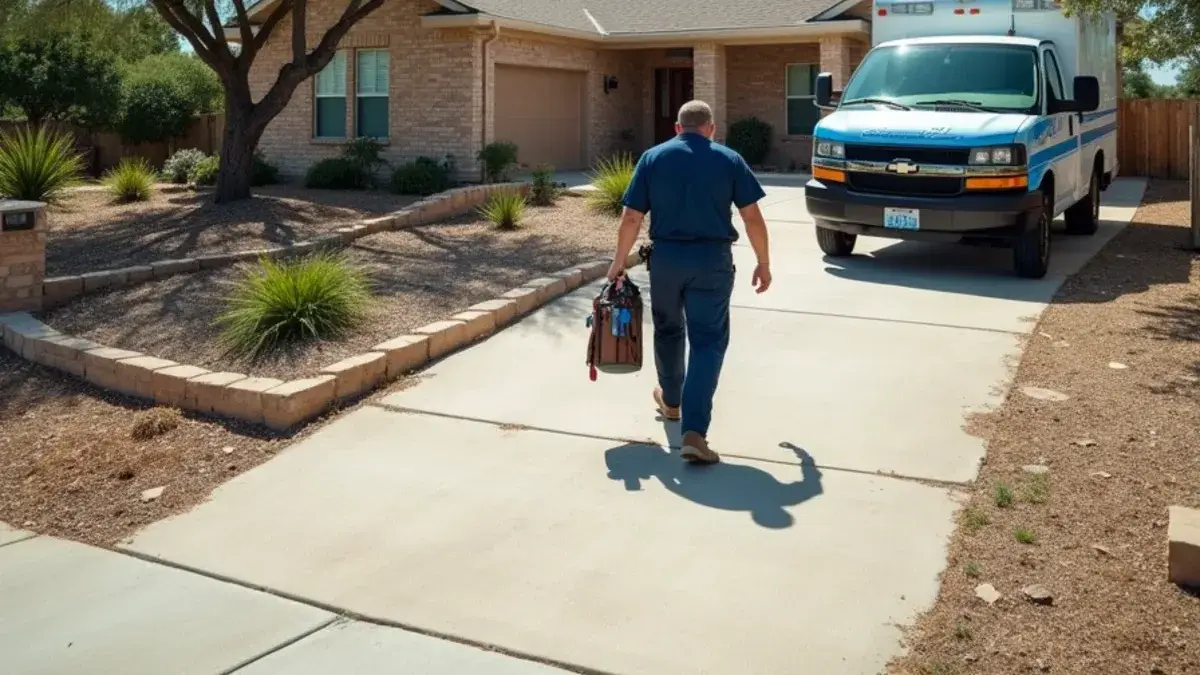
Young city, rocky slopes
Limestone hillsides and a city that grew from 1957 lot sales
Sixty-odd years of growth on rocky ground next to a large Army post.
The city is young by Bell County standards. Landowners Pinckney R. Cox and Harley Kern began selling lots in 1957, and voters approved incorporation on September 24, 1960. The name honours Kern, who died before the vote, and Cox pushed to finish a water system that same month.
Growth came in waves after that. The population nearly doubled from 17,308 in 2000 to 33,097 in 2020, so older streets from the first decades sit beside large subdivisions from the last twenty years.
Many neighbourhoods climb hillsides with limestone close under the topsoil. Water and sewer lines on a slope run long and steep, and rock makes every trench slow. Pinpointing a leak before anyone digs saves the most yard. A slope also changes how a sewer line fails, because a sag low on the lot holds water and debris while the upper run drains clean.

Fort Hood sits next door, and military moves keep rentals turning over. Each permanent change of station brings a move-out, a make-ready and a move-in inspection. The plumbing list is usually the same: running toilets, dripping valves, slow drains and a water heater nobody has flushed. When the owner is stationed elsewhere, a property manager usually makes the call.
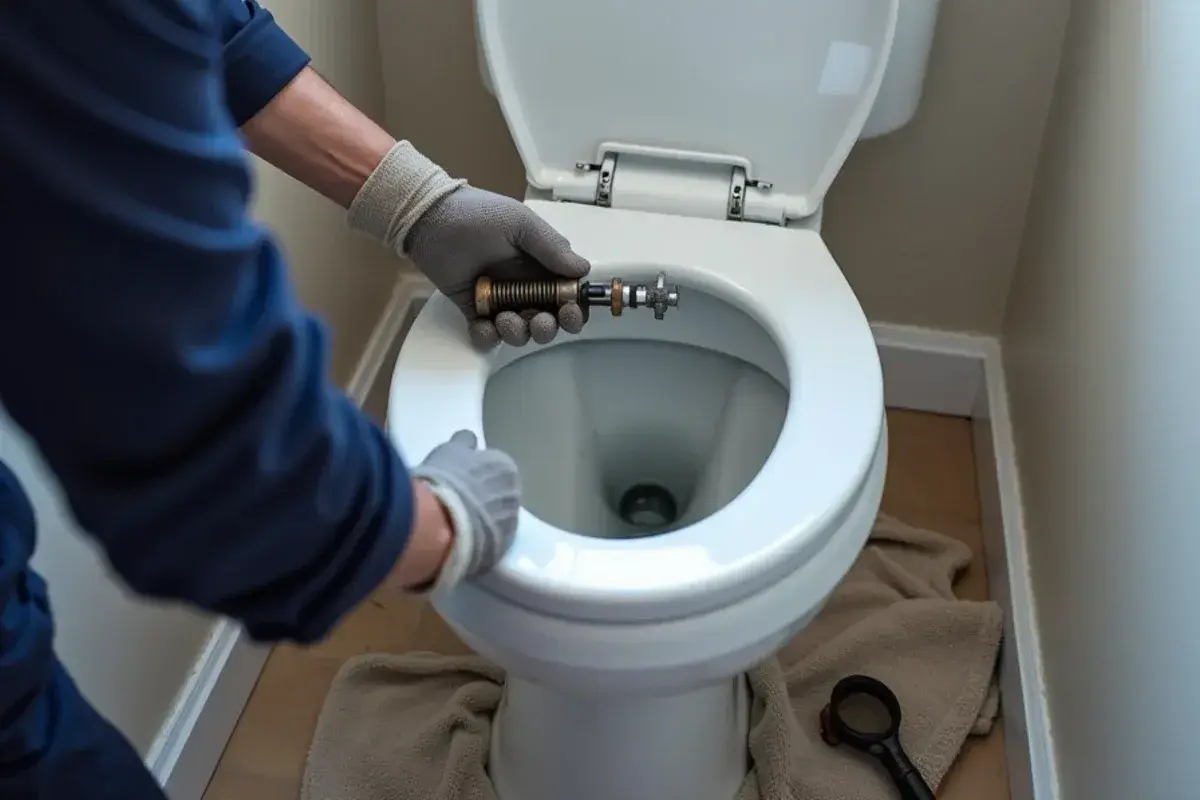
Water, lakes and city rules
Lake Belton water, Stillhouse Hollow and the US 190 corridor
Where the tap water comes from, and two city rules worth knowing.
The city’s 2025 water report says all of its drinking water currently comes from Lake Belton. It buys treated water from Bell County WCID No. 1 and also holds Brazos River Authority rights in Lake Belton and Stillhouse Hollow. The water is disinfected with chloramine, which matters for aquariums and some filters.
Stillhouse Hollow Lake lies south of town on the Lampasas River, behind a Corps of Engineers dam built between 1962 and 1968. US 190 carries most traffic between Killeen and Belton, and Carl Levin Park on Miller’s Crossing is one of the city’s main parks.
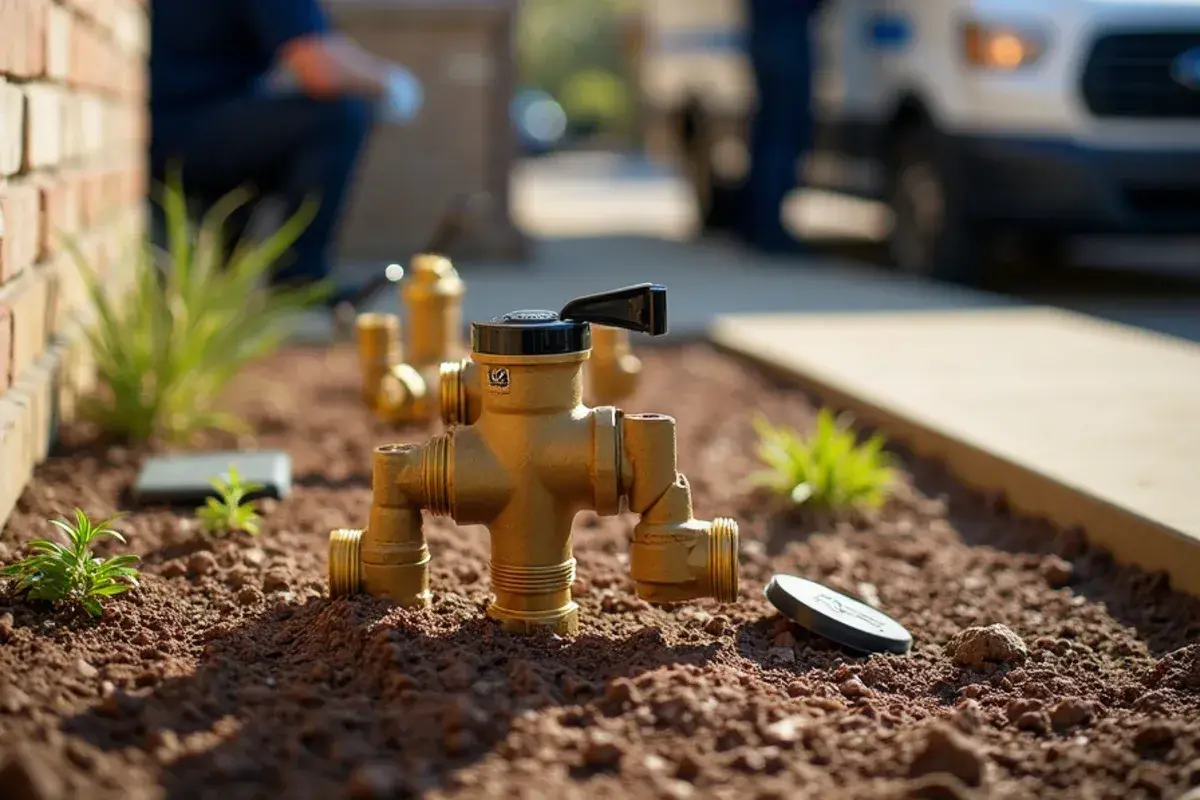
Two city rules matter at home. The building official requires a permit to install, alter or replace plumbing, while maintenance and minor repairs generally need none. Residential backflow assemblies in non-health-hazard use are tested every three years by a tester registered with the city.