

The short answer
Does homeowners insurance cover a burst pipe in Texas?
Coverage turns on how the water escaped, not on how much of it there was.
The Texas Department of Insurance (TDI) puts the general rule plainly. Most homeowner and renters policies cover water damage that is sudden and accidental. TDI's own examples are a burst pipe, an overflowing toilet and a broken washer hose. A supply line that splits and soaks the hallway in an hour fits that description.
The other side of the line is slow water. TDI says policies usually won't cover damage from gradual leaks or seepage, and its list of common exclusions includes wear and tear. A drip that has rotted a sink-base floor over many months is the kind of damage that lands on the gradual side.
Mold follows the same split. According to TDI, mold that grows on an item damaged by a covered event is covered, while mold from a gradual leak is not. Most home policies also leave out mold cleanup and testing after the damaged item is removed, though some companies let you add it.
| What happened | How TDI describes it |
|---|---|
| A pipe bursts or a washer hose breaks | Sudden and accidental: most home policies cover the water damage |
| A slow drip or seepage over weeks or months | Gradual: policies usually won't cover the damage |
| A pipe freezes and splits | Many policies pay, with possible limits; protecting the pipes can matter |
| Rising water from outside the house | Flood: home policies exclude it; a separate flood policy is needed |
| Mold on an item damaged by a covered leak | Covered with that item; cleanup and testing afterward often are not |
None of this replaces your declarations page and policy form. Companies write different forms, and endorsements you bought can widen or narrow water coverage, so read your own before assuming anything. This article explains general concepts and is not legal advice.
Freeze damage
Is a pipe that froze and burst treated differently?
Often, yes. Freeze claims carry one extra question: did you take reasonable steps to protect the pipes?
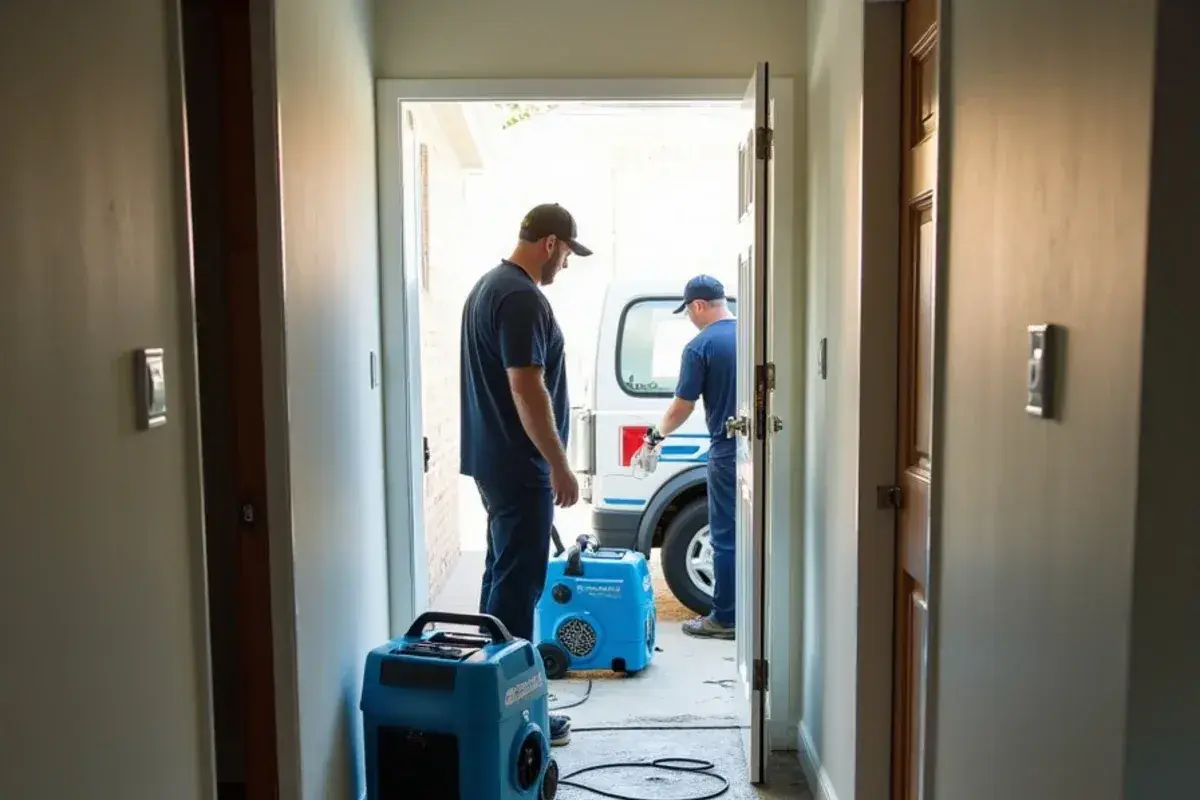
TDI's disaster-claims FAQ says many policies will pay for damage to a house caused by a frozen pipe that burst, but there may be some limitations. Its winter guidance adds a warning. A home policy might not pay if you didn't take steps to protect your pipes, such as keeping the heat on.
That question landed hard across Williamson County in February 2021, when Winter Storm Uri split pipes in attics, exterior walls and hose bibs. The Texas Comptroller reports that 69 percent of Texans lost power at some point that week. In many houses the furnace was off through no choice of the owner.
If an outage is part of your story, write it down while you remember it. Note when the power went out, when it came back, and what you did to keep the house warm or the lines drained. An adjuster weighing the protection question needs those dates more than any general argument.
The steps TDI lists are ordinary ones. Wrap pipes in unheated spaces such as a garage, remove hoses and wrap outdoor faucets, and drain the sprinkler system. Open sink cabinets, and leave the heat on if you travel. If the pipes freeze anyway, TDI says to close the shutoff valve so broken lines don't flood the house as they thaw.
First hours
What should you do in the first hours after a pipe bursts?
These steps protect the house first and the claim second, and each one follows TDI's consumer guidance.
Shut the water off at the main
TDI's first instruction for a sudden leak is to close the main. The house valve usually sits near the front foundation; the curb stop is in the meter box and turns easier with a meter key.
Move belongings and start drying
Lift expensive items off the floor, pull up wet rugs and get air moving. TDI notes that mold can start quickly, and that an insurer may deny a claim if you don't protect your property.
Photograph before anything is fixed
Take photos or video of the wet rooms, the failed pipe and damaged belongings. Don't throw damaged items away until the adjuster has seen them.
Report the loss promptly
Call your company or agent as soon as you can. For water damage that was hidden from view, TDI says you usually must report it within days of first noticing it.
Make temporary repairs only
Temporary repairs are generally fine, says TDI, but permanent ones should wait until the insurer has seen the damage. A plumber can cap the broken line or add a short bypass so the rest of the house has water.
Keep every receipt
Save receipts for fans, tarps, repair materials and the plumbing visit. If you must leave the house, TDI says a policy may pay for a hotel or rental, within its limits.
Our burst and frozen pipe repair page covers the plumbing side in detail, from a temporary cap on split copper to a permanent PEX section. Remember that the deductible still applies to whatever the policy pays.
Expert insight
What the broken pipe tells an adjuster: sudden or gradual?
The failed section usually tells its own story, and a careful repair keeps that evidence intact.
A freeze split looks like what it is. Copper bulges and opens along its length, a PEX fitting pulls off its barb, or a frost-damaged hose bib cracks inside the wall. The damage around it is fresh: wet drywall, swollen baseboard, and no staining from earlier soaking.
Gradual leaks leave a different record. A pinhole in copper often wears a green or white mineral crust, and the wood below is dark, soft or spotted with mold. Hard water leaves a ring each time a drip dries, so a long-running leak builds visible layers.
Hidden leaks are the hardest calls. Water under a slab or inside a wall can run for weeks before anyone sees it, and the question becomes when it started. Professional leak detection pins down where the line failed, and a dated report shows when you first knew.
Pipe age shapes the picture too. In North Austin, many 1970s–80s slab homes sit in the polybutylene window of roughly 1978–1995. An aging line that weeps for months reads as deterioration, while a sudden split in the same pipe may not.
One more distinction is worth reading for. Some policy forms approved by TDI pay to tear out and replace part of the house to reach a leaking pipe, but not to repair the pipe itself. Look at how your form handles access, the pipe and the water damage as three separate items.
What a useful plumber's note contains
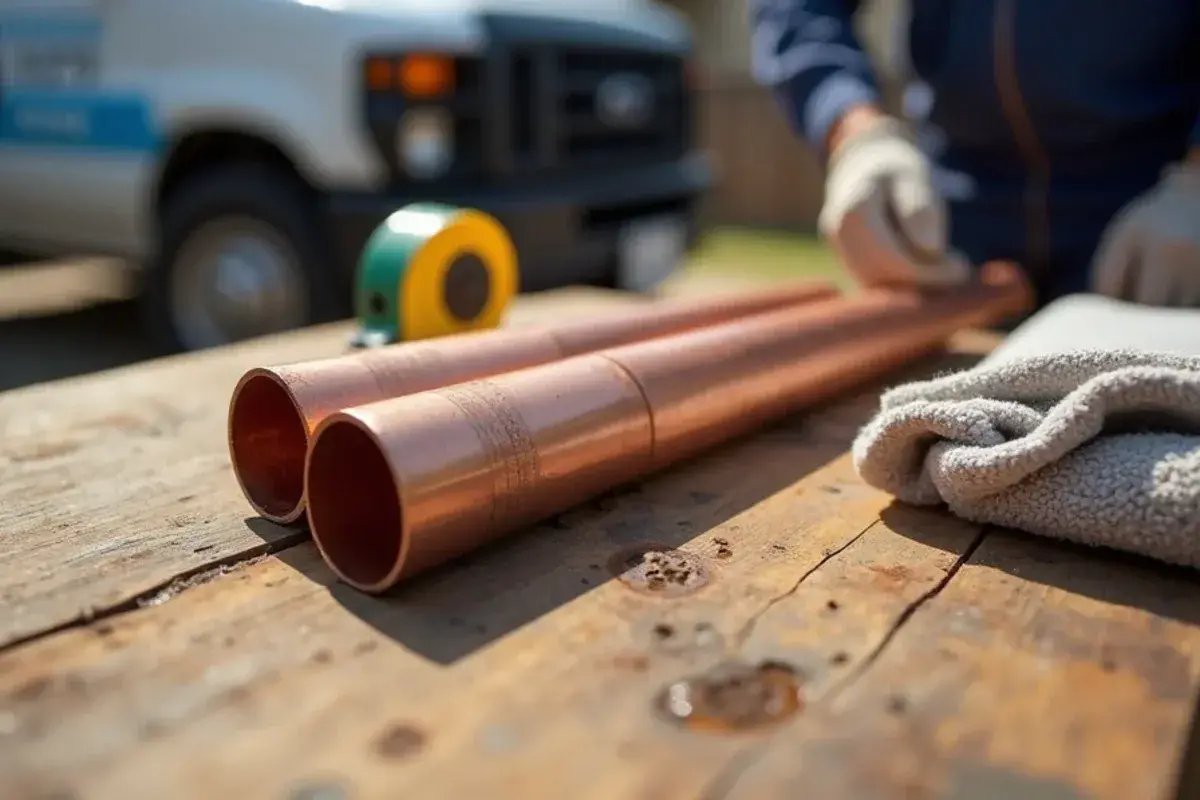
Ask for an invoice that names what failed, where it was, and what the plumber saw: a freeze split, a corroded pinhole, a loose fitting. Keep the removed piece of pipe. A plumber describes the failure; the insurance company decides coverage.
Paperwork
Which records make a burst pipe claim easier to follow?
Build the file while the house is still wet. It is much harder to rebuild later.
Keep these together in one folder:
- Photos and video of the leak, the wet rooms and the failed pipe, taken before repairs
- The removed section of pipe or fitting, bagged and labelled with the date
- The plumber's invoice naming the cause, the location and the date of the visit
- Receipts for fans, tarps, repair materials and any hotel stay
- A list of damaged belongings, with the items kept until the adjuster sees them
- Your claim number, the adjuster's name and notes from every call
- Your declarations page and policy form, including any water-damage endorsements
If you have questions about how a claim is being handled, TDI runs a consumer help line at 800-252-3439 and takes complaints. Use it before you assume a denial is final.
When the repair is the next step, Alta Vista Plumbing quotes on site before work starts and pulls a permit when the job requires one. We have repaired freeze damage around Georgetown since 1999.